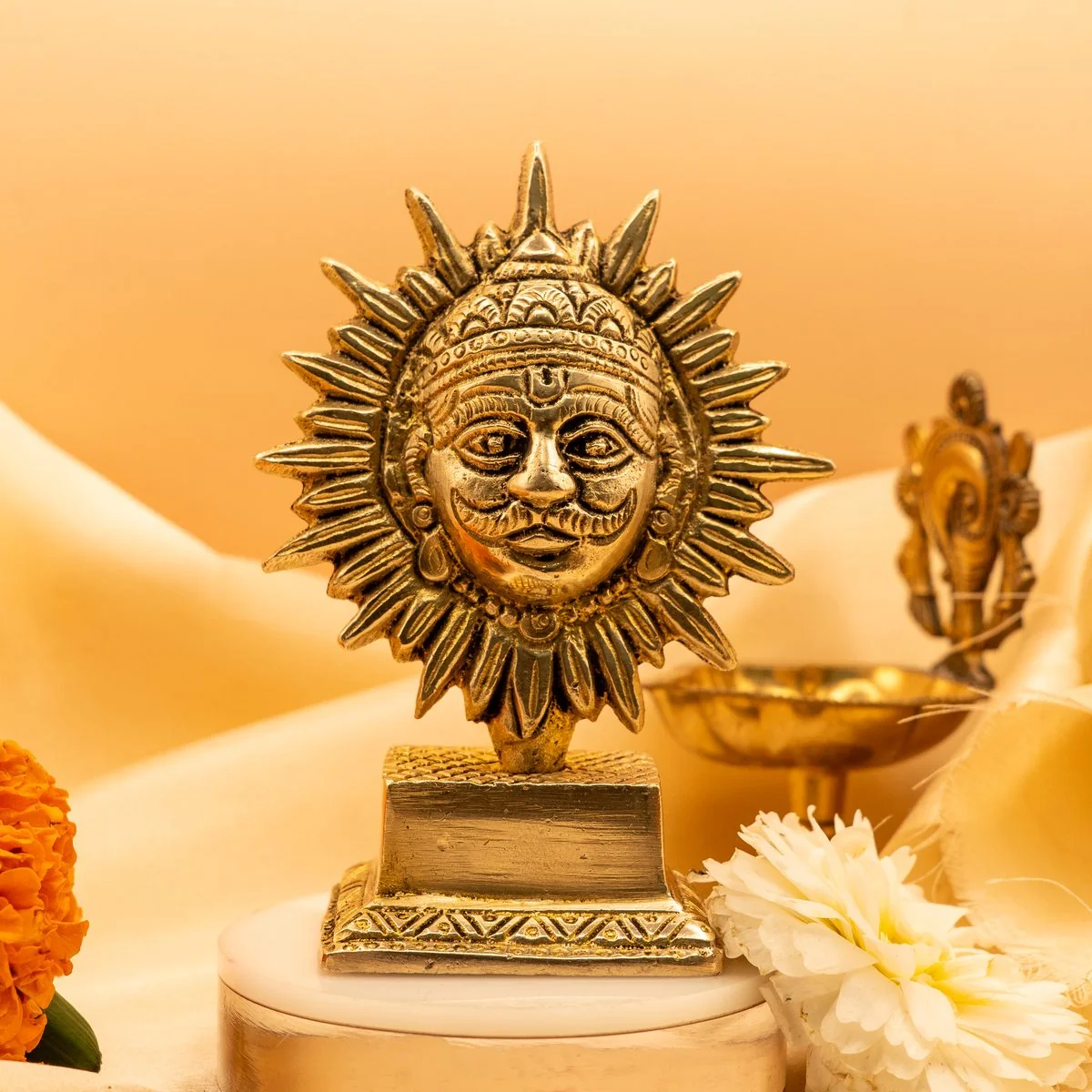
Grahashanti Puja is the traditional Hindu ritual performed to harmonize the influence of the nine planets, or Navagrahas, in one's life. In Vedic understanding, the grahas do not merely indicate material events; they reflect karmic timing, temperament, mental tendencies and the flow of opportunity or delay. When a person experiences repeated obstacles, unstable emotions, professional blockage or difficult planetary periods, graha shanti is often recommended as a devotional means of restoring balance.
This puja is especially popular before major life events such as marriage, griha pravesh, childbirth, starting a new business, long-distance travel or important educational and career decisions. A complete set of brass Navagraha idols helps organize the ritual with dignity and continuity at home. Families seeking puja-ready deity forms can review the Deshna Wholesale catalog for Surya, Shani, Hanuman-related remedies and full brass idol selections.
What is Grahashanti Puja?
Grahashanti Puja is a sankalp-based ritual in which the devotee invokes divine grace to reduce the harsh effects of afflicted planets and strengthen their favorable expressions. The purpose is not to fight destiny aggressively, but to align oneself with dharma, prayer, charity and disciplined worship. In many homes, the puja is performed along with mantra japa, fasting, daan and regular offerings on the weekday associated with each graha.
Because the nine grahas govern different areas of life, a complete grahashanti practice often includes both a unified Navagraha puja and individual remedies for whichever planet is under stress in the chart or dasha.
When should Grahashanti Puja be performed?
Many families schedule grahashanti before marriage, entering a new house, beginning construction, launching a business, conceiving a child, moving abroad or starting a major legal or financial journey. It is also performed during challenging mahadashas, sade sati concerns, Rahu-Ketu periods, delayed marriage, health stress or repeated career setbacks. The most appropriate timing is often selected with the help of a priest or astrologer, but sincere home worship can begin on any auspicious day with clean intention.
Order of planetary worship
A commonly followed sequence begins with Lord Ganesha, kalash setup and sankalp, after which the Navagrahas are invoked. Among the planets, Surya is generally worshipped first as the central source of radiance. The order often followed is: Surya, Chandra, Mangal, Budh, Brihaspati, Shukra, Shani, Rahu and Ketu. This sequence creates a practical flow from solar vitality to mental peace, action, intellect, wisdom, relationship harmony, karmic discipline and finally the shadow planets.
Planet-wise brass idol forms, days, offerings and mantras
- Surya – Brass Surya Dev with lotus or chariot symbolism. Best worship day: Sunday. Offer red flowers, wheat, jaggery and water in a copper vessel. Mantra: Om Suryaya Namah.
- Chandra – Moon deity form or symbolic calm-faced murti. Best day: Monday. Offer white flowers, rice and milk. Mantra: Om Somaya Namah.
- Mangal – Mangal Dev or Hanuman-supported Mars remedy altar. Best day: Tuesday. Offer red lentils, red flowers and jaggery. Mantra: Om Bhaumaya Namah.
- Budh – Mercury form connected with intelligence and speech. Best day: Wednesday. Offer green moong, durva and green fruits. Mantra: Om Budhaya Namah.
- Brihaspati – Guru or Brihaspati form. Best day: Thursday. Offer yellow flowers, chana dal and turmeric. Mantra: Om Brihaspataye Namah.
- Shukra – Venus form associated with refinement and relationships. Best day: Friday. Offer white flowers, kheer or fragrant offerings. Mantra: Om Shukraya Namah.
- Shani – Shani Dev seated or standing form. Best day: Saturday. Offer black sesame, mustard oil diya and dark blue flowers where available. Mantra: Om Shanaye Namah.
- Rahu – Serpentine or Rahu symbolic form. Best day: Saturday or as advised. Offer coconut, blue cloth and incense. Mantra: Om Rahave Namah.
- Ketu – Ketu symbolic form, often linked with detachment and moksha. Best day: Tuesday or Saturday. Offer kusa, incense and simple sattvic prayers. Mantra: Om Ketave Namah.
How to perform a simple home Grahashanti with brass idols
Start by cleaning the altar and arranging the brass Navagraha idols in an orderly fashion. Place Surya in the center or front according to your setup, then arrange the remaining grahas respectfully. Light a ghee lamp, invoke Ganesha, take sankalp and offer water, flowers, akshat and incense to each graha in sequence. Chant the respective mantra at least 9, 27 or 108 times, depending on time and capacity.
Offerings should remain simple and clean. The real power of grahashanti comes from sincerity, discipline and regular follow-up worship on the graha's weekday. If you need a complete matching set or a customized arrangement for your temple shelf, Deshna Wholesale also supports design requests via the custom order page.
Why a complete brass Navagraha set helps
A full brass Navagraha set allows the ritual to be performed in a cohesive, respectful and visually organized way. Instead of using temporary substitutes, the family has stable deity forms for repeated worship during dashas, annual shanti pujas or important life milestones. Brass is ideal because it lasts for years, looks dignified and supports repeated handling, cleaning and offering.
Deshna Wholesale, based in Khatauli, Muzaffarnagar, manufactures durable brass god idols suitable for household mandirs, retailers and spiritual gifting. If you want to compare available deity forms before your puja, the full brass idol catalog is a practical starting point.
Final guidance
Grahashanti Puja is best understood as a devotional discipline that combines prayer, right timing, personal responsibility and sacred symbolism. With a brass Navagraha set, proper worship order, weekday offerings and mantra japa, families can create a meaningful home practice for planetary peace. Whether the concern is marriage, career, health or a major transition, sincere graha worship helps transform anxiety into steadiness and faith.