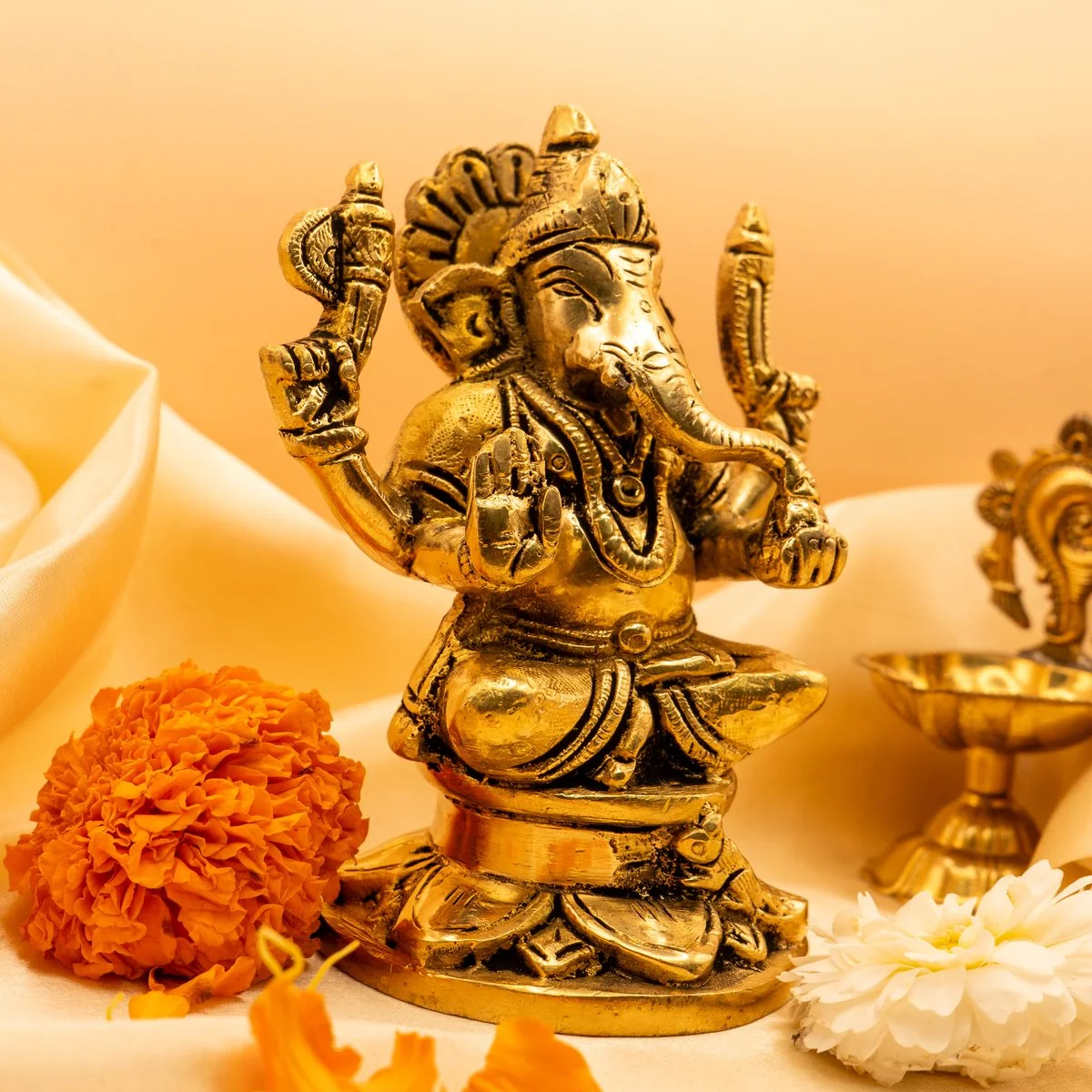
A well-planned home mandir is more than a decorative prayer corner. It is the spiritual heart of the house, the place where family members pause, align themselves, give thanks and begin the day with clarity. When the mandir is arranged properly with brass idols, clean space and thoughtful Vastu orientation, daily worship becomes easier, calmer and more consistent. For modern homes, the goal is not to create unnecessary complexity, but to build a sacred space that feels orderly, respectful and practical for everyday use.
Brass idols are especially suitable for home temples because they balance durability, beauty and ritual usability. Families planning a new prayer corner can explore the Deshna Wholesale catalog to compare deity forms, sizes and matching designs for compact shelves, wooden mandirs and full puja rooms.
Choose the right place for the mandir
The best location for a home mandir is usually a quiet, clean and well-ventilated area where prayer can happen without frequent disturbance. Many Vastu practitioners recommend the north-east corner of the house because it is associated with purity, spiritual receptivity and morning light. If that is not possible, east or north-facing prayer spaces are also commonly accepted. The key is to avoid placing the mandir in noisy passageways, directly under staircases or in spaces used for clutter storage.
Where possible, keep the mandir separate from bathrooms and avoid placing it immediately next to heavy shoes, laundry or casual household storage. The space should encourage reverence. Even in apartments, a small elevated shelf can become a powerful spiritual corner when maintained with order and cleanliness.
Vastu directions and idol placement
In many traditional guidelines, devotees sit facing east or north while praying. Idols are often placed so that the deity faces west or east depending on the room arrangement, allowing the worshipper to sit in an auspicious direction. One widely repeated rule is to avoid setting up the primary deity so that it faces south in a casual or improper way. The idea is not superstition alone, but creating a harmonious directional flow that supports concentration and respect.
When arranging multiple idols, place the main deity slightly higher or in the central visual position. Keep enough distance so the altar does not look crowded. If you need a coordinated set for a new home mandir or gift package, the custom order page can help you request matching sizes and finishes from Deshna Wholesale.
Which brass idols should a home mandir include?
Most households begin with Lord Ganesha, because he is the remover of obstacles and the most natural deity for starting worship in a new space. Along with Ganesha, families usually place their ishta devata or family deity, such as Krishna, Lakshmi, Shiva, Durga, Vishnu or Ram Darbar depending on lineage and devotion. The altar should reflect genuine family practice rather than random accumulation.
A common mistake is buying too many idols without a clear worship routine. A home mandir works best when the family can comfortably care for every deity present. Fewer well-chosen brass idols create more serenity than an overcrowded shelf. If grandparents, parents and children all worship together, select forms that support the household's shared devotional rhythm.
How to decide the right idol size
Idol size should match the scale of the mandir and the available breathing space around it. Small apartments may need compact brass murtis that fit a wall shelf without making the altar look busy. Larger homes can accommodate medium or statement-size idols, but even then, proportion matters. The idols should never dominate the room in a way that makes daily cleaning or offering difficult.
For home use, many families prefer medium brass idols that are easy to decorate, clean and move when required. Retailers and buyers choosing full mandir sets often appreciate custom sizing so the deities remain visually balanced. This is one area where experienced manufacturers add real value.
Arrangement hierarchy inside the mandir
The altar should have a clear hierarchy. Ganesha is often placed first or slightly forward because many families begin every puja with Ganesh vandana. The main family deity may occupy the center. Supporting deities can be placed symmetrically at the sides. Lamps, incense holders, bells and small puja vessels should stay accessible without blocking the idols. Avoid stacking frames and idols in a way that causes visual confusion.
Keep damaged, chipped or unused items away from the main altar. If sacred objects are no longer used, they should be respectfully relocated according to family tradition. Orderliness is itself a form of worship.
Cleanliness rules for a peaceful mandir
A home mandir should be dust-free, uncluttered and easy to maintain. Wipe the area regularly, replace stale flowers, clean oil residue from lamps and keep offerings fresh. Brass idols benefit from a simple dry cloth wipe during daily care. This does not only preserve shine; it also keeps the act of worship disciplined and intentional. Cleanliness around the altar subtly shapes the mental atmosphere of the home.
It is helpful to store incense, matchboxes, cotton wicks, camphor and extra puja items neatly in a nearby drawer or box rather than crowding the visible altar space. A neat mandir encourages family members to use it more often.
Essential puja items to keep ready
- A clean puja thali
- Diya or lamp with ghee or oil
- Incense or dhoop
- Kumkum, haldi and akshat
- Fresh flowers and water
- Bell, spoon and a small offering bowl
These essentials are enough for a complete daily puja in most homes. The goal is consistency, not excessive ritual burden. Even a five-minute daily routine becomes powerful when performed sincerely in a clean mandir.
Suggested daily worship routine with brass idols
Begin by opening the mandir, wiping the altar lightly and lighting a diya. Offer water, flowers and incense, then chant a short prayer or mantra according to the deity. Morning puja can be brief, while evening aarti may include bhajan or family prayer. On Fridays, Mondays or festival days, the ritual may be expanded with sweets, fruits or special flowers. Because brass idols are durable, they support this regular pattern of touch, decoration and seasonal worship beautifully.
Deshna Wholesale also supports buyers who want coordinated brass sets for new homes, wedding gifting or curated mandir displays. To compare ready-made options again before finalizing, the online brass idol catalog is a practical reference.
Caring for brass idols in the mandir
Use a soft dry cloth for regular dusting and a mild natural cleaning method occasionally to maintain the finish. Avoid harsh chemicals, steel wool or rough scrubbing. If the idols have antique or gold-polished detailing, be extra gentle. After festive decoration with oil, kumkum or flowers, clean residue promptly so the surface remains fresh and dignified. Proper care ensures the mandir looks inviting every day.
Final thoughts
Setting up a home mandir with brass idols is ultimately about creating a sacred routine within ordinary life. When the location is chosen thoughtfully, the idols are proportionate, the directions are respected and the altar remains clean, worship naturally becomes more peaceful. Whether your mandir is a full room or a compact prayer shelf, brass idols bring lasting beauty and devotional steadiness. A well-arranged mandir does not merely decorate the home; it quietly transforms its atmosphere.