Kaal Sarp Dosh is one of the most intense and widely discussed combinations in Vedic astrology. It is believed to arise when all seven classical planets fall between Rahu and Ketu in the horoscope. Many people connect this dosha with repeated obstacles, inner fear, sudden reversals, anxiety, delayed success and a feeling that life moves in waves of rise and fall. While astrology should never be used to create panic, it is true that many families look for disciplined spiritual remedies when this yoga appears strongly in a birth chart.
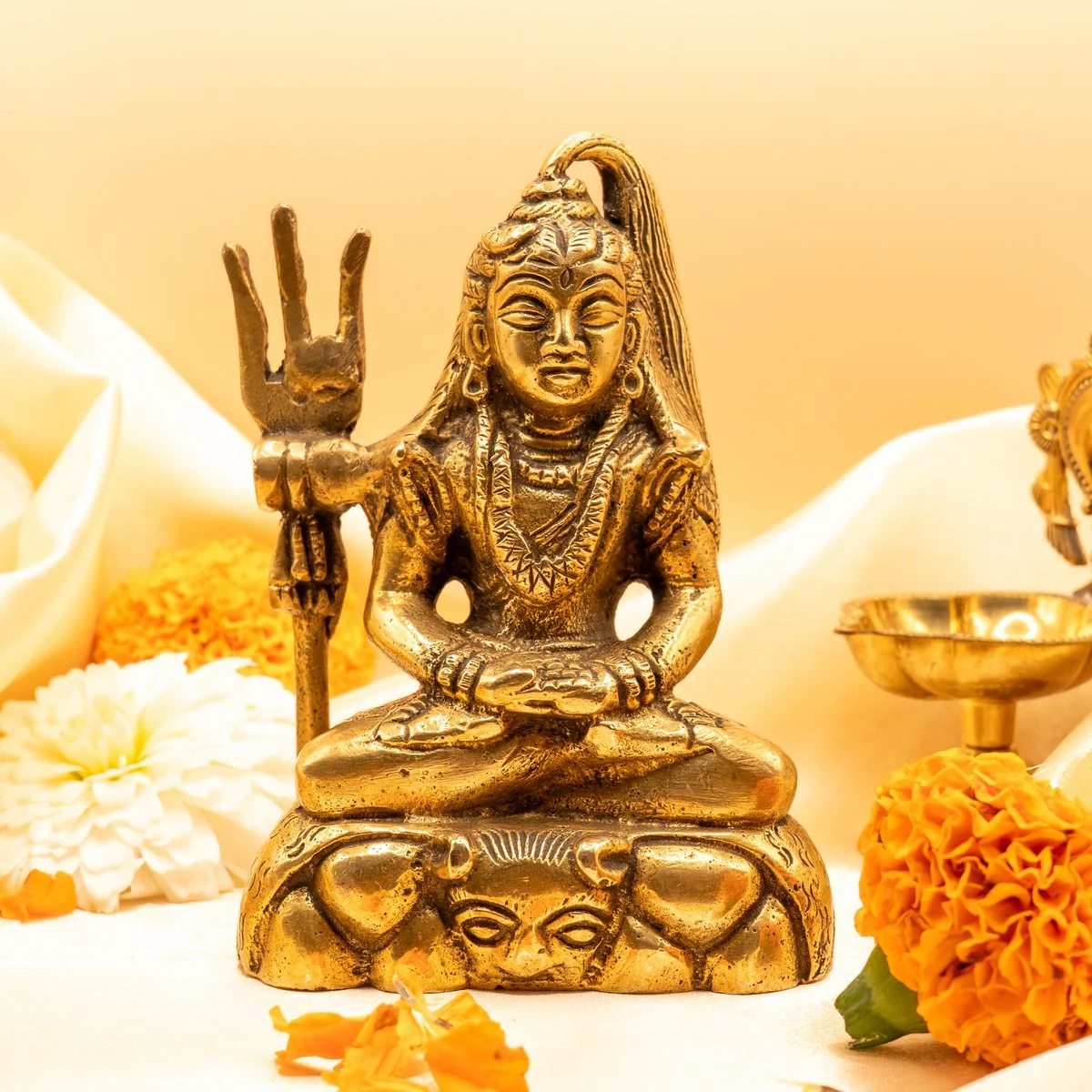
Among the most respected remedies, worship of a Naagtaar brass idol and regular devotion to Lord Shiva hold special importance. Serpent symbolism is central to Kaal Sarp remedies because Rahu and Ketu are linked with the cosmic serpent axis, while Shiva is the great transformer who neutralizes poison, fear and karmic pressure. A stable brass murti helps create a consistent altar for prayer, mantra and sankalp. Devotees who want puja-ready idols for home worship or retail sourcing can explore the Deshna Wholesale catalog for Naagtaar, Shiva and other remedial brass forms.
What is Kaal Sarp Dosh?
In simple terms, Kaal Sarp Dosh is said to form when the planets from Sun to Saturn remain hemmed between Rahu and Ketu. Different astrologers judge its strength differently, so the exact results depend on houses, signs, aspects, dasha and overall chart balance. This is why one should never assume that life is doomed because of a single yoga. Even so, tradition says that the dosha can create strong psychological pressure, unexpected disruptions and repeated cycles of effort followed by delay.
The deeper meaning of the combination is karmic compression. Rahu magnifies desire and confusion, while Ketu detaches and cuts. When the rest of the grahas are enclosed between them, life may feel as if it is moving through invisible knots. Remedies therefore focus on surrender, discipline, Shiva worship, serpent appeasement and humility.
The 12 types of Kaal Sarp Dosh
- Anant Kaal Sarp – linked with self-image, leadership struggles and personal instability.
- Kulik – often associated with speech, family stress and financial strain.
- Vasuki – may bring tension with siblings, courage issues or inconsistent initiative.
- Shankhpal – connected with home life, emotional peace and property matters.
- Padma – discussed in relation to children, creativity and learning blocks.
- Mahapadma – associated with hidden enemies, fear, debt or health disturbance.
- Takshak – often read for marriage pressure, partnerships and public reputation.
- Karkotak – connected with sudden events, inheritance or emotional turbulence.
- Shankachur – may affect fortune, gurus, belief systems and long-distance plans.
- Ghatak – linked with profession, authority and repeated career obstacles.
- Vishdhar – discussed with gains, networks and unstable expectations.
- Sheshnag – associated with expenditure, sleep, isolation and spiritual restlessness.
Common effects on life
People troubled by Kaal Sarp Dosh often describe recurring delays in marriage, profession, settlement, childbirth planning or property matters. Some feel unsupported despite working hard. Others experience fear of betrayal, vivid dreams, snake symbolism in dreams, sudden emotional swings or difficulty enjoying the success they earn. Again, not every chart produces every result, but these themes explain why traditional remedies continue to be popular.
The dosha is also discussed as a pattern that amplifies inner unease. Therefore the remedy is not only ritual but also mental purification. Calm speech, disciplined routine, care for parents, honesty in work and avoidance of harmful habits are considered part of the healing path.
Why Naagtaar and Shiva brass idols are central remedies
A Naagtaar brass idol represents respectful appeasement of the serpent current associated with Rahu-Ketu. It becomes a focal point for offering milk symbolically, flowers, akshat and prayers for karmic release. Shiva brass idols or a Shiva Lingam are equally important because Lord Shiva is Nagabhushan, the one who wears serpents and converts poison into consciousness. In spiritual symbolism, what creates fear can also become a doorway to liberation when placed at Shiva's feet.
Brass is widely preferred for such worship because it is durable, sattvic for regular altar use and suitable for daily cleaning. A well-made murti with balanced form helps the devotee maintain steadiness in prayer. If you need a specific size, finish or puja-friendly design, Deshna Wholesale in Khatauli, Muzaffarnagar also accepts requests through the custom order page.
Monday Shiva Lingam puja for Kaal Sarp relief
Monday is especially auspicious for Shiva worship. Clean the altar early in the morning and place the Shiva Lingam or Shiva brass idol beside the Naagtaar form. Offer clean water first, then milk or panchamrit if that is your family tradition, followed by water again. Offer bilva leaves, white flowers, sandal paste and a ghee diya. Sit quietly and pray for removal of fear, confusion, repeated obstruction and ancestral karmic heaviness.
- Take a sankalp for peace, clarity and karmic release.
- Offer bilva leaves and chant Om Namah Shivaya 108 times.
- For serpent appeasement, chant Om Rahave Namah and Om Ketave Namah.
- If possible, recite the Maha Mrityunjaya Mantra for protection and transformation.
After puja, wipe brass idols properly so that they remain clean and ready for long-term worship. Regularity matters more than dramatic one-time rituals.
Why Trimbakeshwar Kaal Sarp puja is so important
The Trimbakeshwar Jyotirlinga in Maharashtra is one of the most well-known places for formal Kaal Sarp Shanti. Devotees travel there because the site combines Shiva worship, Vedic ritual tradition and the sacred atmosphere of a Jyotirlinga kshetra. Priests perform sankalp, mantra, Rahu-Ketu appeasement and Shiva-centered rituals according to sampradaya. For many families, a visit to Trimbakeshwar becomes a spiritual reset rather than a fear-based event.
Those who cannot travel can still perform sincere remedies at home with a clean altar, a Naagtaar brass idol, a Shiva Lingam and disciplined mantra japa. Home worship does not replace major temple rituals for everyone, but it creates continuity before and after pilgrimage.
Useful mantras and simple home remedies
The following mantras are commonly used: Om Namah Shivaya, Om Tryambakam Yajamahe Sugandhim Pushtivardhanam, Om Rahave Namah and Om Ketave Namah. Many devotees also observe Monday fasting, donate black sesame or blankets, feed the needy and avoid harsh speech on days of remedy. During Nag Panchami or Shivratri, special worship may be performed for deeper sankalp.
At home, keep the altar in a clean northeast or north-facing prayer area, light a diya regularly and offer white flowers to Shiva and respectful prayers to the Naagtaar murti. For ready-made spiritual brass pieces and related deity forms, you can again browse the online catalog before setting up your remedy space.
Final guidance
Kaal Sarp Dosh should be approached with maturity, not fear. The most effective remedy is a combination of faith, ethical conduct, emotional restraint and regular worship. Naagtaar and Shiva brass idols help create a sacred discipline at home, while Monday puja, mantra chanting and Trimbakeshwar devotion deepen that practice. When prayer becomes steady, the same life that once felt knotted can begin to move with clarity, patience and grace.