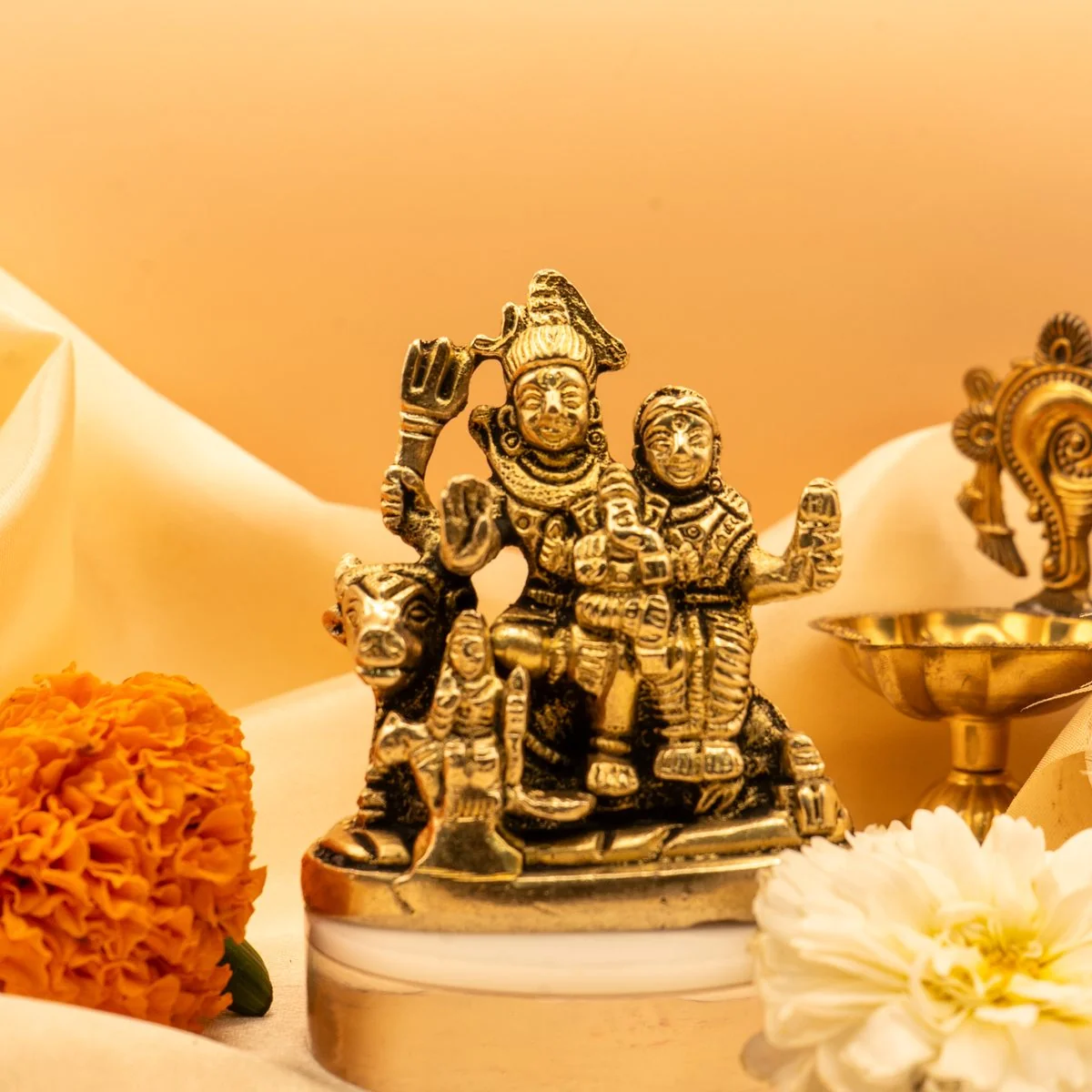
multiple deities puja room arrangement matters because a puja room should feel ordered rather than crowded. A well-arranged altar does more than look neat; it helps family members pray with a steady mind, keeps ritual items accessible, and ensures each deity is honoured respectfully. According to Vastu Shastra, harmony in the shrine comes from balanced direction, thoughtful spacing, and a clear devotional intention.
Many households collect murtis over time, especially during weddings, housewarmings, and festivals. Without a plan, the temple can become visually heavy or confusing. This guide from Deshna Wholesale explains how to arrange deities, decide which idol should become central, and maintain a sattvic altar every day. For deeper reading, explore our blog archive, review the broader Vastu placement article, and use our contact page if you need help selecting complementary brass idols.
Core Vastu principles for an organized puja room
A home temple with several deities should feel united, not crowded. Vastu encourages devotees to create a focal center, maintain proportional spacing, and place the shrine in a clean zone such as the north-east or east. The main purpose is to avoid energetic confusion and practical difficulty during worship. When idols are arranged with intention, the mind knows where to rest first, offerings become easier to make, and the room naturally supports reverence instead of visual noise.
Best direction and deity sequence for the altar
Begin by identifying the most sacred and stable wall or platform in the puja room. The central or slightly elevated position can be given to the family’s ishta devata, while companion deities are placed respectfully beside or below according to size and role. The devotee should ideally face east or north while praying, and none of the idols should be squeezed into corners that make darshan difficult.
- Keep the tallest or most central deity in the middle rather than scattering visual focus across the shelf.
- Place companion deities symmetrically when possible so the altar feels balanced and easy to approach.
- Use a separate small area for lamps, bells, incense, and books instead of crowding them among the idols.
- Reserve enough space in front of each murti for flowers, tilak, and cleaning access.
How to choose the central deity
The central deity is usually the one most closely tied to the family’s daily worship tradition, such as Ganesh, Lakshmi Narayan, Shiva, or Radha Krishna. Once that spiritual center is clear, the rest of the arrangement becomes easier. The altar feels devotional rather than decorative because each idol supports the main current of worship instead of competing for attention. This approach also helps children and guests understand the meaning of the shrine more naturally.
Spacing, height, and background rules
Keep larger murtis at the back and smaller ones in front only if all faces remain visible and respectful. Avoid stacking idols too tightly or placing them on top of drawers filled with random items. A clean background, enough air around each form, and a stable platform matter as much as direction. Good spacing also reduces dust accumulation and makes daily wiping safer for delicate detailing.
Daily routine for keeping the shrine balanced
Once the altar is arranged, maintain a simple routine so the room keeps its sense of order. Devotion becomes more consistent when each daily action has its own place.
- Dust the entire shrine gently before lighting incense or the morning diya.
- Offer flowers first to the central deity and then to the companion murtis in a calm sequence.
- Keep used matchsticks, incense ash, and empty packets away from the deity platform.
- Rotate seasonal decorations carefully so the altar never becomes crowded or hard to clean.
- Remove damaged frames, chipped décor, or stale garlands immediately.
Common arrangement mistakes to avoid
Most arrangement mistakes happen when devotional enthusiasm is not matched with planning. A smaller but well-kept altar is far more powerful than a packed shelf of neglected idols.
- Do not place too many deities of similar size in a single line if there is no room for offerings and cleaning.
- Avoid keeping broken idols, empty boxes, and utility items inside the shrine cabinet.
- Do not mix sacred murtis with casual souvenirs or unrelated decorative objects.
- Avoid placing the puja setup below a staircase or directly against a bathroom wall if another option exists.
Why brass idols support a long-lasting spiritual environment
Brass idols are excellent for multi-deity arrangements because they offer visual consistency, durability, and a timeless sacred finish. When several brass murtis share one altar, the shrine looks cohesive and traditional without feeling flashy. Brass also handles regular wiping well, which is important in temples with multiple surfaces, lamps, and offerings that require frequent maintenance.
Design a balanced altar with thoughtfully matched brass murtis from Deshna Wholesale and turn your puja room into a harmonious space for the whole family.