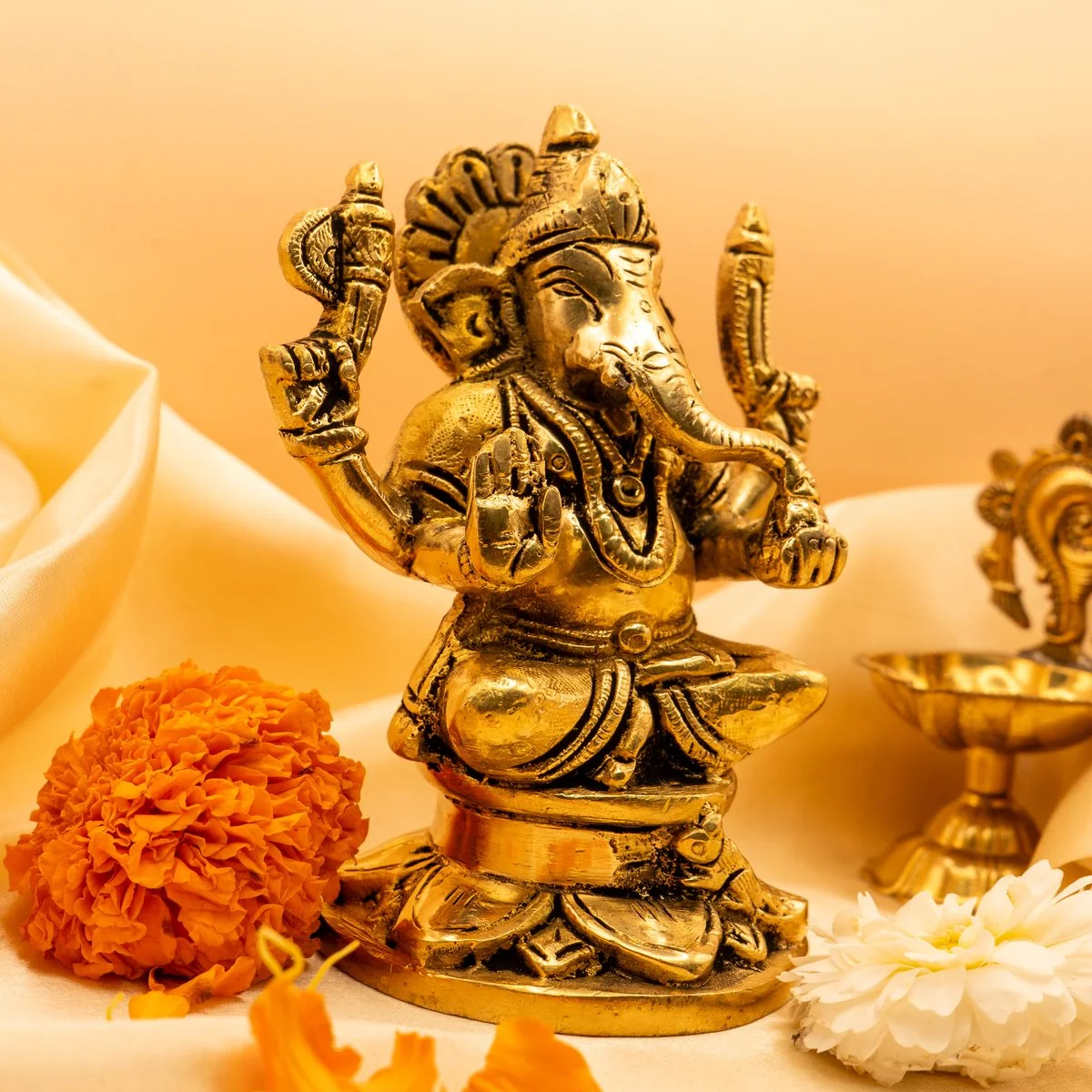
In Vedic astrology, a person is not understood only through Sun signs or even through the twelve rashis. The Nakshatra, or birth star, gives a much finer spiritual and psychological map. Your Janma Nakshatra is determined by the position of the Moon at the time of birth, and it influences emotional nature, instinct, memory patterns, spiritual preferences and the inner rhythm of life. For this reason, many devotees prefer to choose a deity and a puja routine that feels aligned with their birth star. A thoughtfully selected brass idol becomes a steady center for that worship.
At Deshna Wholesale, traditional brass god idols are crafted for home altars, shops, resellers and devotional gifting. If you want to compare deity forms, sizes and finishes before deciding on a Nakshatra-based murti, you can browse the online brass idol catalog.
What are the 27 Nakshatras?
The zodiac of Vedic astrology is divided into 27 Nakshatras, each covering 13 degrees and 20 minutes of the sky. While rashis describe the broader field of experience, Nakshatras reveal the subtle operating pattern of the mind. They are used in muhurta, marriage matching, naming, dasha interpretation, temperament analysis and devotional planning. Two people born in the same rashi can live very differently because their Moon may occupy different Nakshatras.
When devotees worship according to Nakshatra, they are trying to support the emotional and karmic frequency indicated by the Moon. This is why birth star worship can feel very personal and immediately relevant.
How to determine your Janma Nakshatra
To know your birth star accurately, you need your date of birth, exact birth time and birth place. A Vedic astrology chart, a reliable panchang tool or a competent astrologer can tell you the Janma Nakshatra and its pada. Once you know the Nakshatra, you can identify the ruling deity, planetary influence and suitable worship style. If you do not know the exact time, it is better to confirm it before choosing a long-term remedy idol.
Important Nakshatra and deity associations
There are many traditional mappings, and family tradition should always be respected. Still, some practical worship patterns are widely followed:
- Ashwini: often linked with healing, speed and Ketu influence. Many devotees worship Ganesha to remove blockages and stabilize restless beginnings.
- Rohini: associated with growth, nourishment and creative manifestation. Worship of Vishnu or Brahma-related sustaining forms is often recommended for balance and abundance.
- Mrigashira: searching, curious and mentally active. Shiva or Soma-oriented worship can be grounding.
- Pushya: a deeply auspicious star connected with nourishment, discipline and Saturn-linked maturity. Shiva worship is commonly followed for steadiness and blessings.
- Magha: connected to ancestry, authority and Ketu-type karmic depth. Devotees often prefer Ganesha or ancestral honoring practices before major undertakings.
- Hasta: skilled hands and solar intelligence. Surya or Vishnu worship may be useful.
- Swati: airy, independent and mobile. Hanuman can support grounding and disciplined strength.
- Anuradha: devotion, friendship and persistence. Shiva or Krishna forms are often chosen.
- Shravana: learning, listening and preservation. Vishnu is a natural and widely accepted deity for this Nakshatra.
- Revati: gentle, protective and spiritually soft. Vishnu, Krishna or nurturing deity forms are suitable.
The purpose of these associations is not rigid labeling. Instead, they help the devotee choose a murti that feels spiritually coherent with inner tendencies, planetary influences and family sampradaya.
How to choose the right brass idol for your birth star
First, identify whether your Nakshatra is asking for removal of obstacles, emotional stability, wisdom, protection, prosperity or discipline. For example, Ashwini and Magha natives often respond well to Ganesha worship because it stabilizes Ketu-like impulses and clears confusion. Pushya and Saturn-sensitive stars may benefit from Shiva idols because Shiva worship brings patience, humility and emotional endurance. Rohini and Shravana devotees often feel deeply connected to Vishnu forms that support nourishment, preservation and order.
Second, choose a brass idol that matches your practical use. A compact murti is easier for daily home puja, while a larger idol may suit temple counters or retail display. Look for clear facial expression, balanced iconography, a stable base and good metal finish. In spiritual practice, visual harmony helps mental focus.
If you need a specific deity pose, gifting size or wholesale quantity for Nakshatra-themed offerings, you can request it through the custom order section. If you want ready options first, revisit the catalog page to compare brass Ganesha, Shiva, Vishnu, Hanuman and other forms.
Best time for Nakshatra worship
A simple practice is to worship on the monthly transit day when the Moon returns to your Janma Nakshatra. Many devotees also pray on Mondays for Moon peace, on the weekday of the ruling planet, or during personal milestones such as birthdays, new ventures and naming ceremonies. Light a lamp, offer flowers and chant the mantra of the chosen deity. Even a short but consistent practice is more useful than a large ritual performed only occasionally.
Special puja tips
- Keep a small notebook for sankalp and gratitude.
- Offer flowers or leaves linked with the chosen deity, not randomly.
- Do not switch deity focus every week without purpose.
- If family tradition already follows a Kuldevta or Ishta Devata, use Nakshatra worship as support, not replacement.
- Maintain the brass idol with respectful cleaning so the altar remains sattvic and inviting.
Birth star worship becomes powerful when it is simple, regular and heartfelt. Choosing the right brass idol for your Nakshatra can make devotion feel more intimate, astrologically aware and spiritually steady.