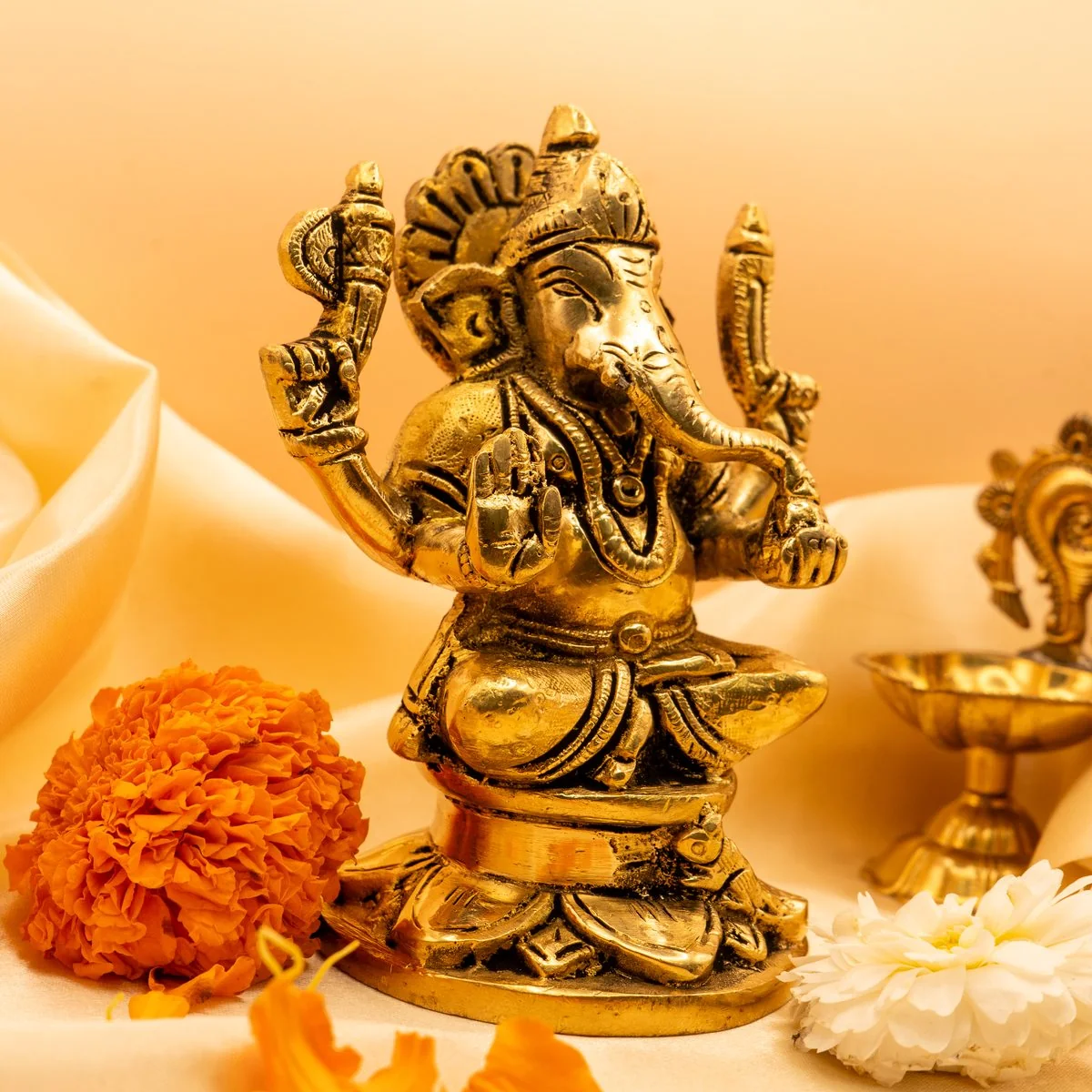
If you've noticed a green coating forming on your cherished brass idol, you're witnessing a natural chemical process called verdigris. This distinctive green patina occurs when copper (the primary component of brass) reacts with oxygen and moisture in the air, forming copper carbonate. While it's a sign that your brass is genuine, most collectors prefer to restore their idols to their original golden luster. The good news? You can safely remove this green patina at home using common household items.
Is Green Patina Harmful to Your Brass Idol?
Verdigris itself is not structurally damaging to brass in the way rust damages iron, but it can continue to spread if left untreated, especially in humid environments. The green coating is mildly toxic if ingested, so it's particularly important to clean brass idols that are regularly handled during worship or displayed in areas accessible to children and pets. From an aesthetic standpoint, most devotees prefer the warm, golden appearance of clean brass over the aged green patina. Regular cleaning not only maintains the beauty of your idol but also prevents the buildup from becoming more stubborn over time.
What You Need to Remove Verdigris
The beauty of home brass cleaning is that you don't need expensive commercial cleaners. Gather these simple supplies from your kitchen:
- White vinegar (distilled vinegar works best)
- Table salt (fine grain)
- Soft cotton cloth or microfiber towel
- Old soft-bristled toothbrush
- Warm water for rinsing
- Dry cloth for buffing
- Optional: baking soda for stubborn spots
Step-by-Step Removal with Vinegar and Salt
The acidity of vinegar combined with the mild abrasive properties of salt creates an effective, gentle cleaning solution for brass. Choose your method based on the severity of the patina.
Method 1 — Light Patina (Vinegar Soak)
For small idols with light green deposits, create a cleaning bath. Mix equal parts white vinegar and warm water in a glass or plastic container. Add one tablespoon of salt per cup of liquid and stir until dissolved. Submerge your brass idol completely and let it soak for 15-30 minutes. The acidic solution will begin to dissolve the copper carbonate. After soaking, use a soft toothbrush to gently scrub away loosened patina, paying special attention to crevices and detailed areas. Rinse thoroughly under warm running water to remove all vinegar residue, then dry completely with a soft cloth. Buff gently to restore shine.
Method 2 — Heavy Patina (Paste Application)
For larger idols or heavily tarnished areas, make a thick paste by mixing three parts salt to one part white vinegar. Apply this paste directly to the green areas using a soft cloth or your fingers (wear gloves if you have sensitive skin). Let the paste sit for 10-15 minutes to penetrate the buildup. Using gentle circular motions, rub the paste into the affected areas with a soft cloth or toothbrush. The salt acts as a mild abrasive while the vinegar dissolves the oxidation. For intricate details, an old toothbrush is invaluable for reaching tight spaces. Rinse thoroughly with warm water, ensuring no paste remains in crevices, and dry immediately with a clean cloth. Finish by buffing with a dry cloth to enhance the natural shine.
Using Lemon Juice as an Alternative
If you prefer, fresh lemon juice is an excellent alternative to vinegar. Cut a lemon in half, dip it in table salt, and rub directly onto the brass surface. The citric acid works similarly to vinegar's acetic acid. For small idols, you can squeeze lemon juice into a bowl, add salt to make a paste, and apply as described above. Many people find lemon leaves a more pleasant scent than vinegar. Whichever acidic cleaner you choose, the key is thorough rinsing afterward — residual acid can eventually cause new tarnish if left on the surface.
After Removal: Protecting the Brass
Once you've successfully removed the green patina and your brass idol gleams with its original beauty, take steps to prevent rapid return of oxidation. Ensure the idol is completely dry before placing it back on display — moisture is the enemy of brass. Store or display brass idols in low-humidity environments when possible. Some collectors apply a thin layer of clear lacquer or brass wax to create a protective barrier, though this requires periodic reapplication. For regularly worshipped idols, gentle weekly dusting with a soft cloth prevents buildup. For more comprehensive care tips, check out our complete brass care guide and learn about preventing tarnish before it starts. You might also be interested in our article on other natural brass cleaners you can use.
When to Call a Professional Restorer
While home cleaning works beautifully for most cases, some situations warrant professional help. If your brass idol is an antique with significant monetary or sentimental value, consider consulting a professional metal restorer who specializes in religious artifacts. Antique brass sometimes has intentional patina that contributes to its value. Similarly, if you notice pitting, flaking, or structural damage beneath the green coating, a professional can assess whether the piece needs specialized treatment. Very large idols or those with gemstone inlays, painted details, or mixed metals should also be professionally evaluated before cleaning to avoid damaging these elements.
Green patina on brass is a natural occurrence, not a permanent blemish. With patience and the right household ingredients, you can safely restore your brass idols to their radiant glory. Regular maintenance keeps verdigris at bay and ensures your devotional pieces remain beautiful for generations. Browse our brass idol catalog for authentic handcrafted pieces, or contact us via WhatsApp for personalized care advice for your cherished brass items.