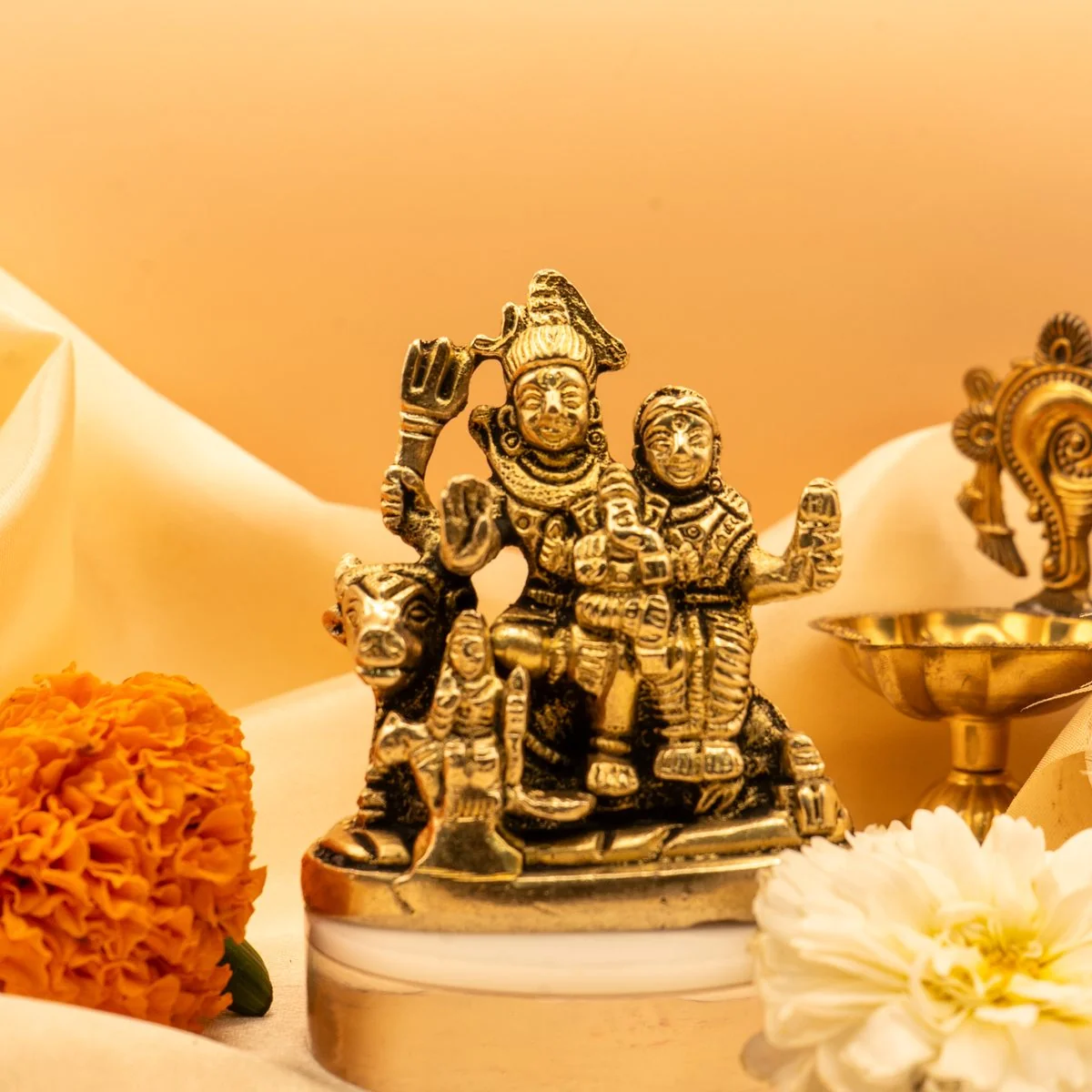
setting up a puja room with Vastu guidelines matters because a puja room should feel ordered rather than crowded. A well-arranged altar does more than look neat; it helps family members pray with a steady mind, keeps ritual items accessible, and ensures each deity is honoured respectfully. According to Vastu Shastra, harmony in the shrine comes from balanced direction, thoughtful spacing, and a clear devotional intention.
Many households collect murtis over time, especially during weddings, housewarmings, and festivals. Without a plan, the temple can become visually heavy or confusing. This guide from Deshna Wholesale explains how to arrange deities, decide which idol should become central, and maintain a sattvic altar every day. For deeper reading, explore our blog archive, review the broader Vastu placement article, and use our contact page if you need help selecting complementary brass idols.
Core Vastu principles for an organized puja room
A good puja room is not judged only by size or decoration. Its real quality comes from how naturally it supports prayer, cleanliness, and inward focus. Vastu recommends the north-east whenever possible because this zone feels light, receptive, and spiritually calm. However, even when a separate room is not available, a well-planned shrine can still carry the same sacred atmosphere if direction, order, and maintenance are handled thoughtfully.
Best direction and deity sequence for the altar
Begin by choosing the quietest and cleanest part of the home, ideally in the north-east or east. The altar should allow the worshipper to face east or north, and the deity platform should remain elevated, stable, and clearly separate from everyday storage. If the temple is placed in a living room or dedicated niche, it should still have visual definition so it does not blend into casual household activity.
- Keep the main idol or family deity at the center of the altar with companion murtis arranged proportionately.
- Use natural light where possible, supported by a diya or soft lamp for morning and evening worship.
- Store incense, books, and ritual vessels in drawers or shelves nearby, not mixed among the idols.
- Maintain enough open space in front of the altar for sitting, folding hands, and offering flowers comfortably.
How to choose the central deity
The central deity should reflect the family’s living devotional practice rather than fashion or gifting trends. Once the focal murti is chosen, the rest of the room can be organized around it. This creates spiritual coherence and makes daily worship more intuitive. Whether the altar centers on Ganesh, Lakshmi Narayan, Shiva, or another family deity, the room should guide attention gently toward that sacred form.
Spacing, height, and background rules
Spacing is essential because the room must remain easy to clean and easy to worship in. Avoid filling every shelf with frames, garlands, boxes, and seasonal objects. A simple room with enough breathing space often feels more sacred than a heavily decorated one. Good spacing also improves light, airflow, and safe diya placement, all of which affect the long-term comfort of the puja room.
Daily routine for keeping the shrine balanced
Once the puja room is set up, daily discipline keeps the energy stable. Structure turns a designed space into a living spiritual room.
- Open the puja room each morning, clear stale items, and wipe visible dust before worship.
- Light the diya at regular times so the room develops a predictable devotional rhythm.
- Keep one small area reserved for flowers, one for books, and one for lamps to avoid crowding.
- Review the room seasonally and remove anything damaged, unnecessary, or visually heavy.
- Teach all family members to enter the space cleanly and respectfully so the atmosphere stays consistent.
Common arrangement mistakes to avoid
Most puja room problems come from mixing sacred design with everyday storage. The room must be protected from clutter if it is to remain spiritually effective.
- Do not place the puja room next to bathrooms or use it to store household overflow if other choices exist.
- Avoid overly dark rooms with no ventilation, natural light, or easy access for regular worship.
- Do not keep cracked idols, broken lamps, and unused festival items piled inside the shrine.
- Avoid designing the room for appearance alone without considering actual daily puja habits.
Why brass idols support a long-lasting spiritual environment
Brass idols suit puja rooms exceptionally well because they create a unified sacred look across lamps, bells, and ritual vessels already used in traditional worship. Their durability makes daily maintenance easier, and their warm glow helps the room feel alive at both dawn and dusk. For a Vastu-conscious home temple, brass offers both beauty and ritual practicality.
Set up a puja room that truly supports devotion with thoughtfully crafted brass murtis from Deshna Wholesale and create a sacred corner of peace inside your home.