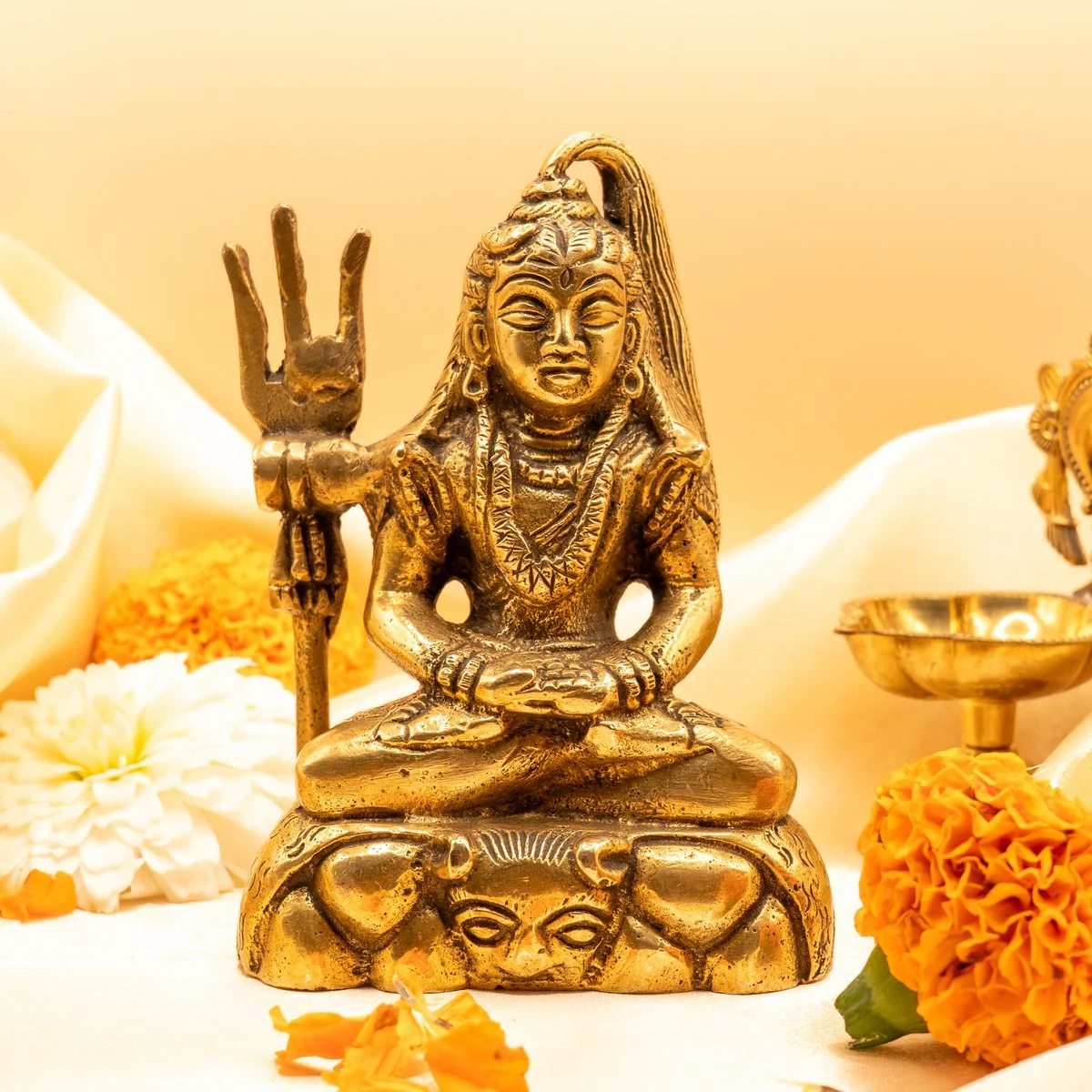
Shravan Maas, also lovingly called Sawan, is one of the most sacred months for Shiva devotees. Arriving during the monsoon, it carries a mood of purity, inwardness, prayer and emotional surrender. The rains cool the earth, rivers become full and temple worship takes on a deeply devotional rhythm. Across India, millions of devotees observe fasts, offer sacred water, chant Om Namah Shivaya and perform puja before the Shiva Lingam with a focus that feels especially powerful during this month.
For households, temples and retailers, a brass Shiva idol or brass Shiva Lingam becomes the center of Shravan worship because it can be used daily for abhishek, decoration and mantra sadhana. Families looking for puja-ready Shiva forms can browse the Deshna Wholesale catalog to find brass murtis suited for home mandirs, seasonal demand and devotional gifting.
Why Shiva is especially worshipped in Shravan
There are many sacred explanations for the greatness of Shravan. One popular tradition connects it with the Samudra Manthan, when Lord Shiva drank halahal poison to protect the universe. Because of this immense act of compassion and sacrifice, devotees worship him with cool offerings such as water, milk and bilva leaves. Another traditional understanding is that Shravan is a month of heightened spiritual sensitivity, when austerity, mantra and devotion yield faster inner purification.
Shiva is the deity of stillness, dissolution of ego, mercy and spiritual freedom. In Sawan, devotees feel drawn to him for relief from stress, karmic burdens, fear and emotional restlessness. His worship is simple yet profound. A lamp, a little water, bilva leaves and sincere chanting are enough to make the puja meaningful. A beautiful brass Shiva idol helps maintain that sacred discipline day after day.
Importance of Monday fasts in Sawan
Shravan Somvar, the Mondays of the month, are considered especially auspicious. Devotees often observe a vrat, eat lightly or remain on fruit, visit the temple and perform Shiva puja at home. Married couples pray for harmony and protection. Unmarried devotees pray for a suitable life partner. Others seek peace of mind, health, spiritual growth and the removal of obstacles. Because Monday is associated with Chandra, and Chandra rests upon Shiva's head, Somvar worship combines emotional calm with divine grace.
Many families place a brass Shiva Lingam, Nandi and Shiva murti together on the altar during Shravan. This creates a complete worship arrangement that supports fasting, evening aarti and mantra recitation throughout the month. If you need a custom combination for retail counters or festival inventory, the custom order section allows direct inquiry for size, finish and bulk manufacturing.
How to perform Rudrabhishek with a brass Shiva Lingam
Rudrabhishek is one of the most loved and spiritually elevating forms of Shiva worship. Begin by cleaning the puja place and placing the brass Shiva Lingam on a jaladhari or a clean thali. Offer plain water first, followed by milk, curd, honey, sugar and ghee if you are performing a fuller panchamrit abhishek. After that, rinse gently with clean water. Offer bael leaves, white flowers, sandal paste, sacred ash, dhatura and seasonal fruits according to family tradition.
During abhishek, the devotee may chant Om Namah Shivaya, the Maha Mrityunjaya Mantra or verses from Shri Rudram if trained in Vedic recitation. Even a simple repetition of Shiva's panchakshari mantra creates a calming and transformative atmosphere. The important principle is devotion, cleanliness and steadiness rather than outer complexity.
What to offer to Shiva in Shravan
- Water for cooling and purification.
- Milk for devotion, nourishment and surrender.
- Honey for sweetness in speech and relationships.
- Bael leaves as one of Shiva's most beloved offerings.
- Dhatura where tradition permits, representing ascetic symbolism.
- Bhasma and sandalwood for sacred simplicity and fragrance.
While making these offerings, devotees often keep their prayer direct: may the mind become calm, the ego become soft and the path ahead become righteous. Shravan is less about display and more about depth. A durable brass Shiva murti supports repeated abhishek without losing devotional dignity.
Powerful mantras for Sawan worship
The most universal mantra is Om Namah Shivaya, easy to chant throughout the day, during puja and while offering water. The Maha Mrityunjaya Mantra is especially recited for healing, protection and release from fear. Some devotees also sing Shiva Chalisa, Shiv Tandav Stotram or Lingashtakam. During Shravan Mondays, even one mala of japa before the brass Shiva idol can help settle the mind and deepen the feeling of surrender.
Kanwar Yatra and the spirit of devotion
No discussion of Shravan is complete without remembering the Kanwar Yatra. In this tradition, devotees collect sacred river water, often from the Ganga, and carry it over long distances to offer on Shiva Lingams. The yatra reflects tapas, discipline, faith and determination. It also shows that Shiva bhakti is accessible to everyone: householders, youth, elders and communities from every region. Many families who cannot travel still honor the same spirit at home by bringing clean water, maintaining vrat and offering daily abhishek to a brass Shiva Lingam.
Why brass Shiva idols are ideal for repeated abhishek
Shravan worship involves frequent pouring of water, milk and other sacred substances. This is where brass becomes especially valuable. A well-made brass Shiva Lingam or murti can withstand thousands of abhisheks when cleaned properly. The metal remains strong, visually rich and suitable for both simple household worship and intensive temple-style ritual. For wholesalers and retailers, brass Shiva idols also remain in steady demand because Sawan inspires both personal purchase and devotional gifting.
Deshna Wholesale manufactures durable brass deity forms from Khatauli, Muzaffarnagar, making it easier for stores and spiritual suppliers to source seasonally relevant Shiva products. Buyers can review current options in the online catalog before the peak Shravan period begins.
Care tips for brass Shiva Lingam during the month
Because abhishek materials can leave residue, the brass Shiva idol should be rinsed gently after puja and dried with a soft cotton cloth. Avoid leaving milk or honey on the surface for too long. A mild natural cleaning routine once or twice a week helps preserve the shine. If the idol has intricate detailing, use a soft brush rather than abrasive scrubbers. This keeps the murti suitable for daily worship through the entire season and beyond.
Final thoughts
Shravan Maas is a month of devotion softened by rain, humility and prayer. Whether one keeps a fast on Monday, performs daily Rudrabhishek, chants Maha Mrityunjaya or simply offers water with faith, Shiva worship in this season transforms the mood of the home. A brass Shiva idol gives permanence to that devotion. It allows the family to continue Sawan's purity, strength and inwardness long after the monsoon clouds have passed.