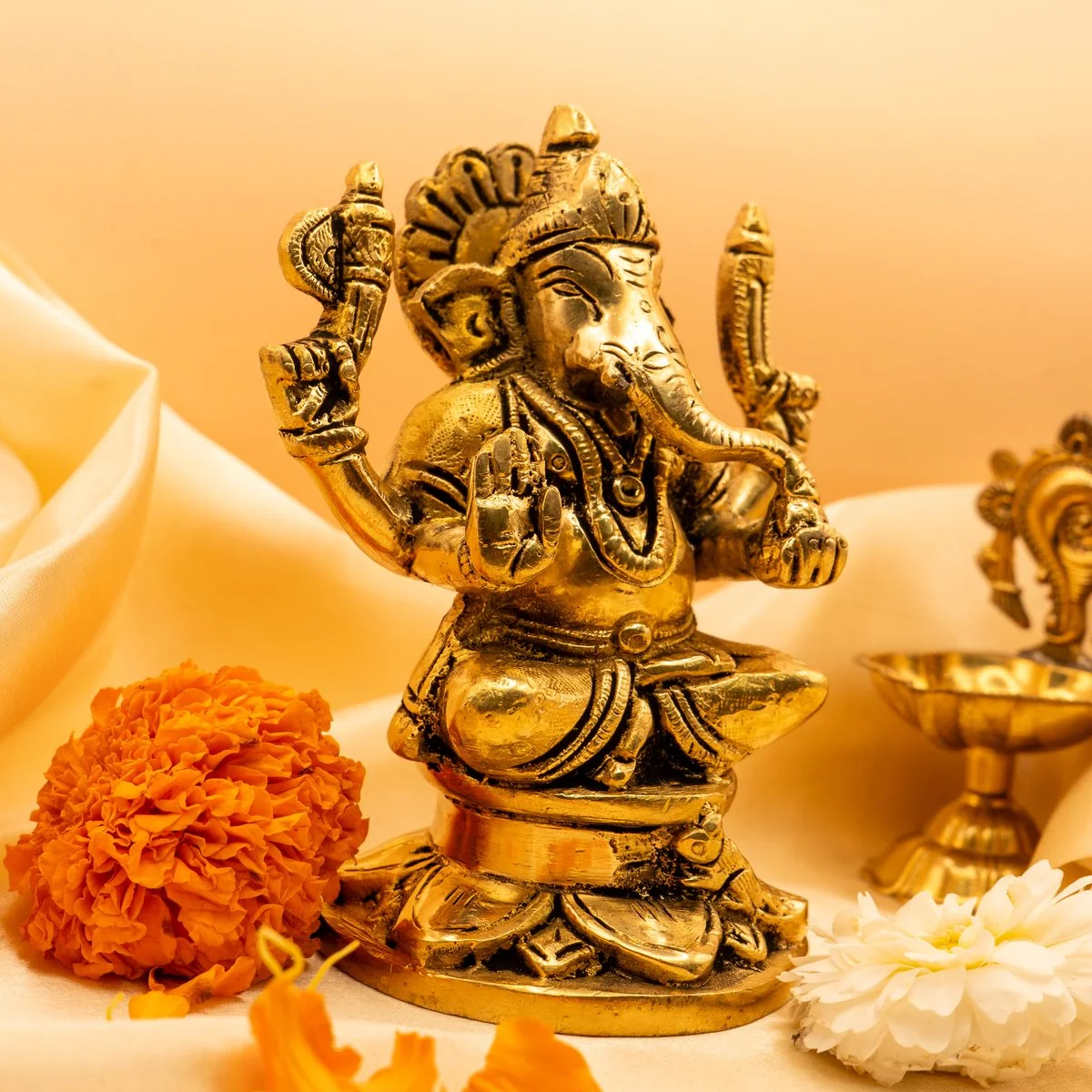
Vastu Shastra teaches that the arrangement of space influences the quality of energy we experience at home. Whether one understands it spiritually, symbolically or architecturally, the direction of a home temple and the placement of deity idols are treated with great care in Indian tradition. A well-placed murti encourages focus, reverence and a calm devotional routine. A poorly placed idol can create visual clutter, ritual discomfort or a sense that the sacred corner of the house has lost its harmony.
Brass idols are especially popular for home mandirs because they are durable, elegant, easy to maintain and carry a timeless spiritual presence. When chosen thoughtfully and placed according to Vastu principles, they help create a balanced environment for prayer, meditation and daily blessings. If you are planning a home temple or selecting deity forms for your store, the Deshna Wholesale catalog offers a wide range of brass god idols suitable for Vastu-conscious placement.
Vastu basics: understanding the eight directions
Vastu works with the energies of the main cardinal and intercardinal directions. Each direction is linked with a specific quality, so idol placement is traditionally chosen to support that energy rather than oppose it.
- East – sunrise, vitality, visibility and spiritual awakening.
- West – completion, containment and inward reflection.
- North – flow, opportunity, prosperity and mental clarity.
- South – discipline, stability, protection and karmic seriousness.
- Northeast (Ishan) – the most sacred zone for prayer, purity and meditation.
- Northwest – movement, travel and changing interactions.
- Southeast – fire, activity and transformation.
- Southwest – grounding, weight and long-term stability.
For most homes, the northeast is the preferred zone for the main mandir because it supports stillness and devotion. However, the exact placement of each deity can vary slightly based on their symbolic function.
Ideal placement for each deity
Here is a practical Vastu guide for common brass idols used in homes:
- Ganesha – Place in the northeast for puja or near the entrance as a welcoming remover of obstacles. A calm seated form works well for daily worship.
- Lakshmi – Best in the north, where prosperity energy is traditionally emphasized. Pair with cleanliness and good lighting.
- Shiva – Keep in the northeast or north. A Shiva Lingam should be placed respectfully in the puja zone, not casually in busy passageways.
- Surya – The east is ideal because it aligns with sunrise, radiance and disciplined daily beginning.
- Krishna – The northeast supports bhakti, sweetness and meditative devotion.
- Hanuman – Traditionally placed toward the south for protective and strength-giving energy.
- Saraswati – The east is highly suitable for learning, wisdom, music and clarity.
- Durga – The south is often recommended because it resonates with protection, courage and the destruction of negativity.
If you want a coordinated set of deities or a specific size for your home temple, you can request one through the custom order page based on your available space and altar style.
What not to do with brass idol placement
Vastu is as much about avoiding disharmony as creating harmony. One of the first rules is to never keep broken, chipped or unstable idols in the main worship area. Damaged murtis should be handled respectfully according to tradition, not left in use casually. Another common rule is to avoid placing primary worship idols in toilets, under staircases, directly on the floor or in cluttered corners where shoes, laundry or storage items dominate the space.
Many households also avoid keeping deities facing south unless there is a specific traditional reason and proper guidance. Similarly, too many idols crowded into a tiny mandir can dilute visual calm. A few well-chosen, regularly worshipped forms are better than an overloaded shelf that is difficult to clean or maintain.
Tips for setting up a peaceful home mandir
- Choose a clean, elevated surface and keep the altar separate from everyday clutter.
- Allow enough room to light a diya safely and place flowers, incense or water offerings.
- Use soft lighting and keep devotional books or bells neatly arranged.
- Keep the main idols at eye-friendly height so darshan feels natural.
- Avoid mixing the mandir with purely decorative objects that have no devotional purpose.
- Clean brass idols regularly so the sacred space always feels fresh and cared for.
When the mandir is maintained with discipline, the benefits of Vastu become practical: the space feels calmer, prayer becomes easier and family members are more likely to use the altar daily.
Why brass is a strong Vastu material
Brass holds a special place in Indian ritual culture because it is durable, luminous and highly suitable for long-term worship. From a Vastu perspective, brass combines beauty with stability. It does not feel temporary or fragile, which is important in a sacred corner meant for regular offerings. A good brass murti also reflects light beautifully from diyas and creates a warm devotional atmosphere.
Deshna Wholesale, based in Khatauli, Muzaffarnagar, manufactures brass god idols in many sizes and forms for households, retailers and temple-oriented buyers. Whether you need a compact Ganesha for an apartment mandir or multiple deity forms for a larger prayer room, the online catalog provides practical options for Vastu-led selection.
Final thoughts
Vastu Shastra is not just about direction charts; it is about creating a home where devotion feels natural and uplifting. When Ganesha, Lakshmi, Shiva, Surya, Krishna, Hanuman, Saraswati and Durga are placed in supportive directions, the mandir becomes more than a decorative niche. It becomes a living center of blessing. With well-crafted brass idols, careful placement and daily cleanliness, your home temple can radiate both beauty and spiritual steadiness.