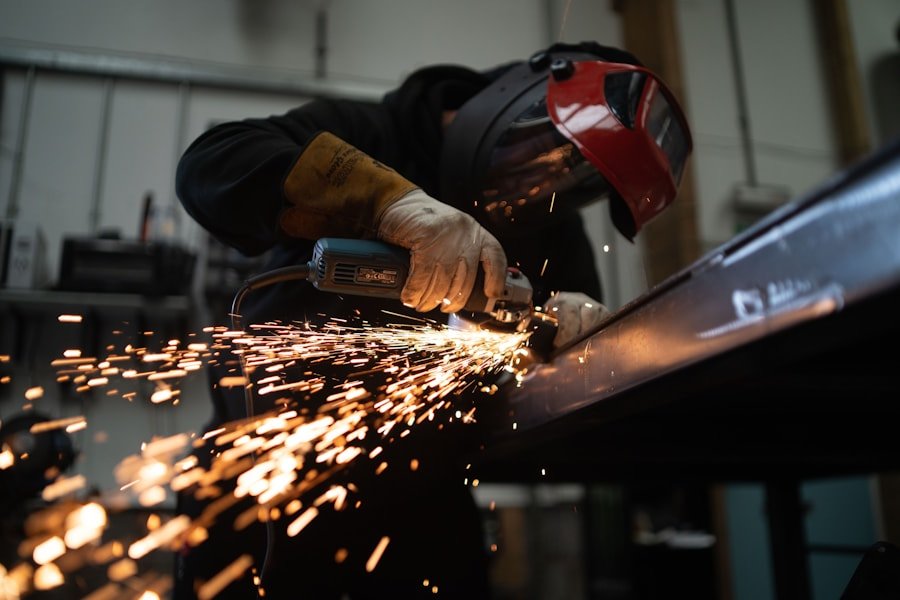
Behind every brass idol that leaves Deshna Wholesale's workshop is a master craftsman whose family has worked with brass for generations in the ancient town of Khatauli. These artisans don't just make idols—they breathe life into metal, carrying forward centuries of heritage through their skilled hands and deep understanding of traditional techniques passed down through generations.
Khatauli — The Brass Craft Capital of Western Uttar Pradesh
Nestled in Muzaffarnagar district of western Uttar Pradesh, Khatauli has been synonymous with brass craftsmanship for over 400 years. The town's brass industry emerged during the Mughal era when artisan communities settled here, drawn by the availability of raw materials and patronage from local rulers and temples. Over centuries, Khatauli evolved into a thriving hub where entire neighborhoods are dedicated to brass work—the sound of hammers on metal echoes through its lanes from dawn to dusk.
What began as a craft serving local temple needs has grown into an industry that supplies brass idols and artifacts across India and beyond. Yet despite modernization, the core techniques remain unchanged, preserved by families who consider this craft not just a livelihood but a sacred duty.
The Families Behind the Craft
The brass artisans of Khatauli belong to multigenerational kaarigar families—the Sharmas, Kumars, Guptas, and Mishras—who have practiced this craft for ten, fifteen, sometimes twenty generations. These families don't learn brass work from formal schools or training centers. Instead, knowledge flows from father to son in an organic apprenticeship model that begins in childhood.
Young boys start by observing their fathers and grandfathers at work. By age seven or eight, they're cleaning tools and preparing materials. By their teens, they're learning to work wax, and by their twenties, they're capable artisans themselves. This intimate transfer of knowledge ensures that subtle techniques, proportion secrets, and quality standards are preserved exactly as they've been practiced for centuries.
A Day in the Life of a Khatauli Brass Artisan
Morning — Wax Work and Mould Making
The artisan's day begins early. In the cool morning hours, the craftsman works with beeswax, sculpting the intricate details of a deity—the curve of a smile, the drape of a saree, the delicate fingers holding divine instruments. This wax model must be perfect because it will become the hollow heart of the clay mould. Working by natural light, the artisan uses simple tools—wooden sticks, heated wires, and years of muscle memory—to achieve proportions prescribed by ancient shilpa shastras.
Afternoon — Casting and Breaking Moulds
Once the wax model is encased in clay and the mould is dried and fired, the real magic happens. Molten brass—heated to over 900 degrees Celsius—is carefully poured into the mould. The wax melts away and drains out, leaving a perfect brass replica in its place. This is the lost-wax casting process, and it requires perfect timing and temperature control learned through decades of practice. After cooling, the artisan breaks open the clay mould with a hammer, revealing the rough brass form inside.
Evening — Filing, Finishing and Polishing
The final hours are spent refining. With files, chisels, and abrasive papers, the artisan removes casting imperfections, sharpens details, and brings out the form's true beauty. The finishing work is meticulous—defining facial features, ensuring symmetry, smoothing surfaces. Finally, the idol is polished to a brilliant shine that reflects not just light, but the devotion poured into its creation.
The Skills That Take Years to Master
Brass idol making is not a craft that can be learned quickly. Master artisans possess skills that take years—sometimes decades—to perfect:
- Wax sculpting — Creating detailed models from nothing but memory and feel
- Proportion and angula measurement — Following traditional iconometric guidelines where every body part relates mathematically to others
- Mould making — Preparing clay mixtures with the right consistency and building moulds that won't crack under extreme heat
- Metal pouring — Judging the exact moment when brass is at optimal temperature and pouring with steady hands
- Chiselling fine detail — Working facial expressions, jewelry, and ornamental patterns with microscopic precision
- Polishing to grade — Achieving different finishes from antique patina to mirror shine as required
Challenges Facing Traditional Artisans Today
Despite their mastery, Khatauli's artisans face mounting challenges. Cheap, machine-made brass items from industrial manufacturers undercut handcrafted prices. Raw material costs—especially high-quality brass and beeswax—have risen sharply. Most concerning is the generational shift: many artisan children now pursue formal education and white-collar careers, seeing more stability and social prestige outside the traditional family craft.
The loss of even one generation of artisans means the loss of irreplaceable knowledge—subtle techniques and quality standards that exist only in practiced hands and trained eyes, never written down or formalized.
How Deshna Wholesale Supports Khatauli Artisans
Deshna Wholesale was founded on a commitment to preserve this heritage while ensuring artisans earn dignified livelihoods. We provide fair wages well above local standards, maintain steady year-round orders so craftsmen don't face seasonal uncertainty, and work closely with artisan families to preserve traditional techniques while meeting modern quality expectations.
We document processes, train the next generation, and help artisan children appreciate the cultural value of their family craft—even if they pursue other careers, they carry forward respect for the tradition. Through our work, we aim to ensure that Khatauli's brass craft doesn't just survive but thrives for generations to come.
Why Handcrafted Still Matters
In an age of mass production, why does handcrafted matter? Each idol made through our manufacturing process is unique—no two are exactly identical. The human touch visible in every curve and detail creates a spiritual connection that machine-uniformity cannot replicate. For devotees, there's profound meaning in knowing that a skilled artisan poured concentration, care, and devotion into creating the murti that will grace their home altar.
When you bring home an Deshna Wholesale brass idol, you're not just acquiring a religious artifact—you're becoming part of a 400-year-old story, supporting families who have dedicated their lives to preserving India's artistic heritage.
Interested in owning a piece of this heritage? Browse our handcrafted brass idols or place a custom order crafted to your specifications by Khatauli's master artisans.