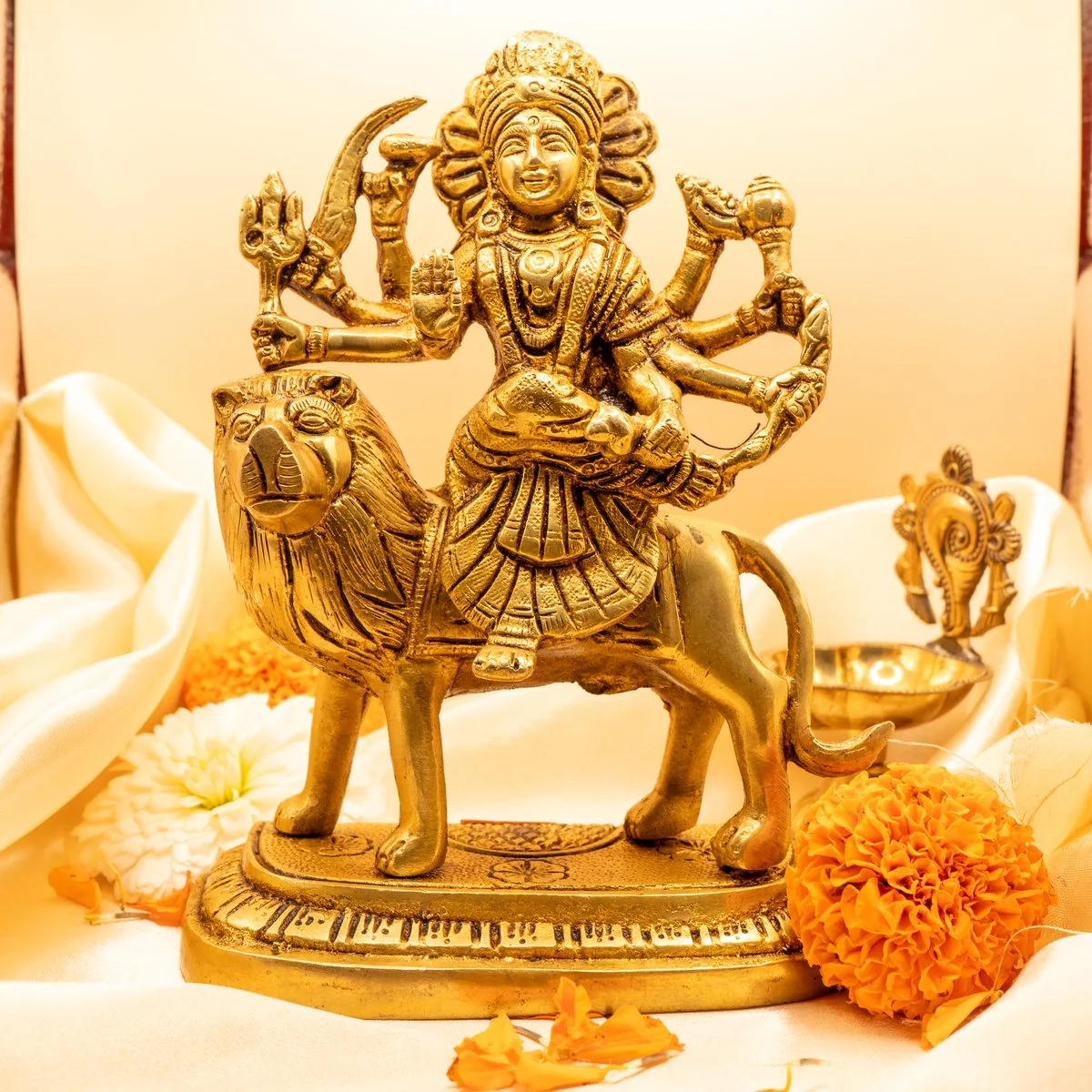
Walk into any religious goods store today and you will find idols made from two very different materials: traditional brass and modern resin (polyresin). Both look similar on the shelf — but they are worlds apart in how they are made, what they contain, and how long they last.
If you are purchasing an idol for your home mandir or as a gift, understanding these differences is essential. This guide provides an honest, balanced comparison to help you make the right choice.
What Is Resin? How Resin Idols Are Made
Polyresin (also called polystone) is a synthetic material — essentially a polymer mixed with stone powder or crushed minerals. Resin idols are created by pouring this liquid mixture into rubber moulds and allowing it to harden. Once set, they are painted with metallic paints to mimic the appearance of brass, silver, or gold.
The process is fast, inexpensive, and allows for mass production. Resin idols are lightweight, highly detailed (due to the precision of moulds), and cost a fraction of what brass idols cost. However, they are fundamentally plastic-based products designed to imitate metal.
What Is Brass? How Brass Idols Are Made
Brass is a natural alloy of copper and zinc that has been used in sacred art for thousands of years. Traditional brass idols are crafted using the lost-wax casting method — a labour-intensive process performed by skilled artisans. Each idol is hand-finished, making every piece unique.
Brass idols are heavy, solid, and have a genuine metallic surface. Over time, brass develops a natural patina that adds character and depth. Unlike resin, brass is a recyclable material with intrinsic value. It is the metal of choice in traditional shastra texts for devotional objects.
Detailed Comparison — Brass vs Resin
Material Authenticity: Brass is a natural metal alloy with a centuries-old tradition in sacred art. Resin is a modern synthetic polymer — essentially decorative plastic. For those seeking authenticity, there is no substitute for brass.
Weight and Feel: Brass idols are heavy and substantial, giving a sense of solidity and permanence. Resin idols are lightweight and can feel hollow or insubstantial. The physical weight of brass conveys gravitas — a quality difficult to quantify but immediately felt.
Durability: Brass idols can last for centuries with minimal care. Resin idols, on the other hand, are prone to chipping, cracking, and fading. The painted metallic finish on resin wears away over time, revealing the synthetic base underneath. In humid climates, resin can degrade faster.
Ritual and Spiritual Suitability: Traditional Hindu, Jain, and Buddhist texts prescribe the use of specific metals — particularly panchaloha, brass, and copper — for idols intended for worship. Resin, being a modern invention, is not mentioned in any classical scripture. While it may be acceptable for casual decorative use, most priests will not perform prana pratishtha (consecration) on resin idols. For serious devotional practice, brass remains the standard.
Surface Detail: Both materials can achieve fine detail. Resin moulds capture intricate features easily, but this detail is painted on and fades with time. Brass detail is cast into the metal itself and is permanent. A well-crafted brass idol retains its features for generations.
Maintenance: Brass requires occasional polishing to maintain its shine, though many people prefer the aged patina that develops naturally. Resin idols require more delicate handling — they cannot be cleaned with water or chemical cleaners without risking damage to the painted surface.
Environmental Impact: Brass is a natural, recyclable material. Old brass idols can be melted down and recast. Resin is plastic-based and non-biodegradable. When a resin idol breaks, it ends up in a landfill, where it will remain for hundreds of years.
Cost: Resin idols are significantly cheaper upfront, which is their primary appeal. However, brass idols offer far better long-term value. A brass idol purchased today can be passed down through multiple generations. A resin idol may need replacement within a few years.
Resale and Heirloom Value: Brass idols retain intrinsic value. Antique brass pieces often appreciate over time. Resin idols have no resale value and cannot be considered heirlooms in any meaningful sense.
Can a Resin Idol Be Used for Daily Puja?
From a purely practical standpoint, yes — you can certainly use a resin idol for daily worship. However, from a traditional perspective rooted in shastra, metal (especially brass, copper, or panchaloha) is the prescribed material for consecrated deities. Most priests and pundits will recommend brass for any idol that will undergo prana pratishtha or be used as the central deity in a home mandir.
Resin may be acceptable for decorative purposes, children's rooms, or casual altars, but for a dedicated puja room, brass is the preferred choice across most Hindu, Jain, and Buddhist traditions.
When Resin Makes Sense
To be fair, there are scenarios where resin idols are a practical choice:
- When budget is extremely tight and a brass idol is simply not affordable
- For children's rooms or educational purposes where the idol may be handled frequently
- For outdoor garden decoration (brass corrodes in outdoor environments exposed to rain)
- For travel altars where weight is a major concern
- As inexpensive gifts where the recipient may not value the piece long-term
In these contexts, resin offers a low-cost, lightweight alternative. However, even in these cases, you should be aware of what you are purchasing — a decorative imitation, not a sacred object crafted from traditional materials.
When Brass Is the Clear Choice
Brass is unquestionably the superior option for:
- Daily puja and ritual worship in a home mandir
- Idols intended to serve as the centrepiece of your puja room
- Pieces you intend to pass down as family heirlooms
- Any idol that will undergo prana pratishtha (consecration)
- Wholesale or bulk orders for temple supply
- Long-term investment in sacred art
- When cultural authenticity and adherence to tradition matter to you
In short: if the idol is for devotional use and you want it to last, choose brass.
Our Recommendation
For true devotional use, brass is the gold standard — not because of blind tradition, but because of material reality. Brass endures where resin degrades. Brass carries spiritual and cultural weight that resin, by its very nature, cannot. The extra cost of brass pays for itself many times over in durability, authenticity, and peace of mind.
If you are furnishing a home mandir, investing in a brass idol is not an expense — it is an investment in something that will serve your family for generations. Browse authentic brass idols at Deshna Wholesale, or learn more about what makes brass the ideal idol material.
For guidance on evaluating quality, read our article on how to judge brass idol quality, or explore why brass is the best metal for divine idols. If you have specific requirements, you can also commission a custom brass idol crafted to your exact specifications.
Choose wisely. Choose brass.