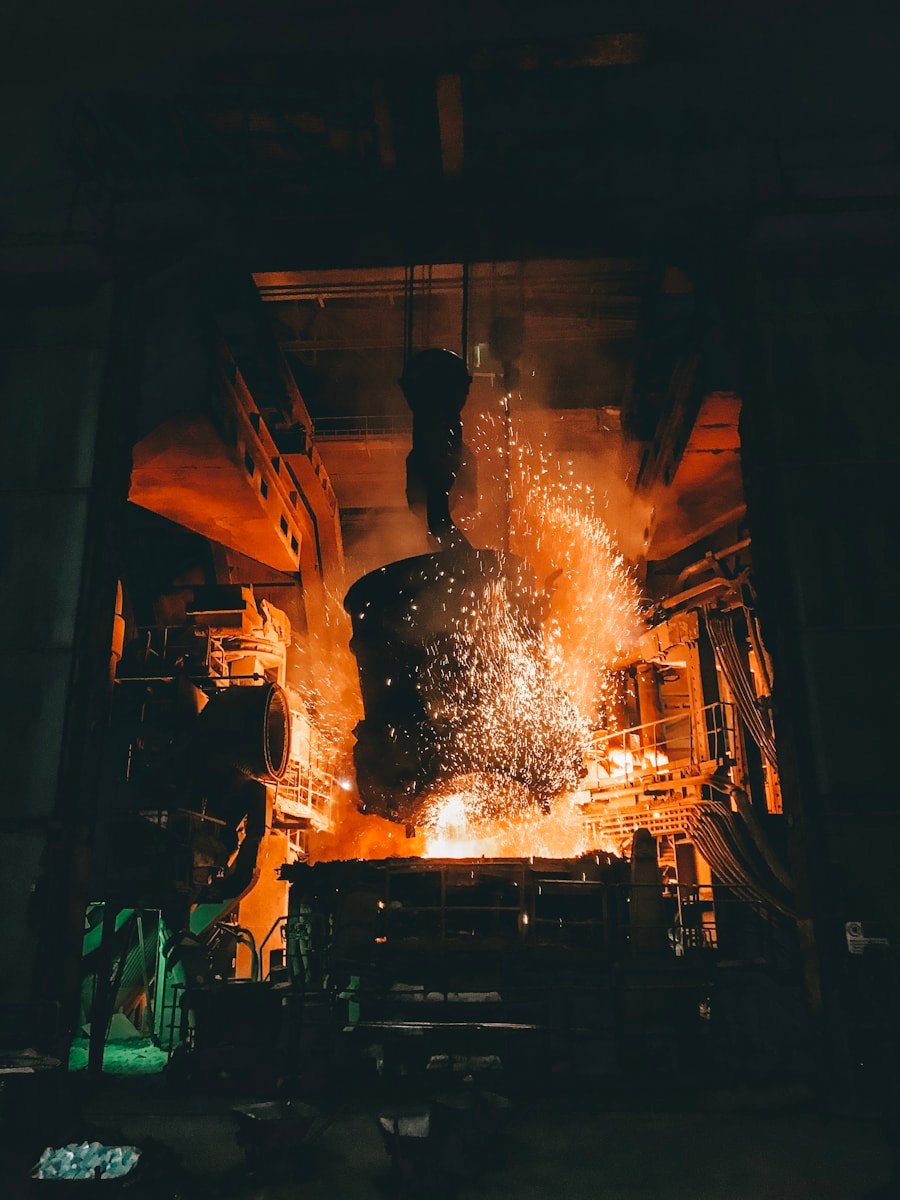
When you hold a brass idol from Deshna Wholesale Enterprise, you're experiencing centuries of metallurgical wisdom. But not all brass is created equal. The 70:30 copper-zinc ratio we use isn't arbitrary — it's a carefully chosen alloy formula that delivers the perfect balance of castability, colour, and durability for creating sacred deity idols.
What Is Brass? A Simple Metallurgy Primer
Brass is a copper-zinc alloy, meaning it's created by melting copper and zinc together in specific proportions. While copper provides the warm base colour and excellent corrosion resistance, zinc increases strength and lowers the melting point, making the metal easier to cast into intricate moulds.
Different copper-zinc ratios create vastly different properties. Alloys with less than 37% zinc are called alpha brass and are known for excellent ductility and workability. Those with higher zinc content become beta brass, which is harder but more brittle. The 70:30 ratio — officially called "Cartridge Brass" — sits in the sweet spot of alpha brass, offering the ideal combination of properties for idol casting.
Why 70:30 (Cartridge Brass) Is the Standard for Idol Making
Castability — Flows Into Fine Mould Details
The 70:30 brass alloy has a melting point of approximately 930°C (1706°F), lower than pure copper but high enough to maintain structural integrity. When molten, it flows smoothly into intricate wax moulds, capturing every delicate detail — from the folds of a deity's garment to the intricate patterns of jewelry and ornaments. This fluidity is critical for the lost-wax casting process we employ at Deshna Wholesale.
Colour — Warm Golden-Yellow Tone Ideal for Deity Idols
The 70:30 composition produces a distinctive warm golden-yellow colour that closely resembles gold, making it aesthetically perfect for religious idols. This colour is deeply ingrained in Hindu tradition, where golden hues symbolize purity, divinity, and prosperity. Unlike cheaper alloys with higher zinc content that appear pale or silvery, cartridge brass maintains that sacred golden glow.
Workability — Can Be Filed, Engraved, Polished After Casting
After casting, our artisans need to refine each idol through filing, engraving, and polishing. The 70:30 brass is soft enough to be worked by hand tools yet hard enough to hold fine details without deforming. This balance allows our craftsmen to add finishing touches, engrave mantras, and polish surfaces to mirror-like finishes — all part of our manufacturing process.
Corrosion Resistance — Outlasts Other Metals in Puja Conditions
Brass idols face daily exposure to camphor flames, incense smoke, water offerings, and humid puja room conditions. The 70:30 alloy forms a protective patina that prevents deeper corrosion while maintaining structural integrity for generations. Unlike iron or low-grade alloys that quickly tarnish or rust, cartridge brass ages gracefully.
How Brass Compares to Other Metals for Idols
- Brass (70:30): Excellent castability, golden colour, good durability, affordable — ideal for most deity idols
- Bronze (Copper-Tin): Harder and more durable than brass but darker reddish-brown colour; traditional for certain regional styles
- Panchaloha (Five Metals): Sacred five-metal alloy used in South Indian temple idols; expensive and requires specialized knowledge — see our detailed comparison in panchaloha vs brass
- Pure Copper: Excellent colour but too soft for intricate details; very high melting point makes casting difficult
- Aluminium: Lightweight and cheap but lacks the warmth, weight, and traditional feel; not suitable for sacred idols
For a deeper dive into how brass compares to bronze specifically, read our article on brass vs bronze for ritual idols.
The Role of Trace Elements
While the primary composition is 70% copper and 30% zinc, small amounts of other elements can be present, either as intentional additions or natural impurities. Some brass formulations include:
- Lead (0.5-3%): Improves machinability and makes the metal easier to work with hand tools, though modern environmental standards are reducing its use
- Tin (0.5-1%): Sometimes added in trace amounts to improve corrosion resistance and colour
- Iron and other impurities: Kept to minimum levels through quality control
At Deshna Wholesale, we source our brass from certified suppliers who provide material test certificates, ensuring consistent quality and minimal harmful impurities in every batch.
How the Alloy Affects the Final Idol's Appearance
The exact copper-zinc ratio can vary slightly between batches, leading to subtle colour variations. A batch with 72% copper might appear slightly redder, while 68% copper creates a yellower tone. These natural variations add character to each idol, making every piece unique.
The final appearance also depends heavily on finishing techniques:
- Natural Brass Finish: Light polishing reveals the true golden colour of the alloy
- High-Polish Finish: Mirror-like buffing creates brilliant golden reflections
- Antique Finish: Chemical treatments create an aged patina in recessed areas
- Gold Polish: A thin lacquer coating enhances and protects the golden colour
Sourcing Quality Brass in Khatauli
Khatauli's thriving brass industry gives us access to some of India's finest brass suppliers. Raw brass arrives as ingots or scrap metal, which we carefully inspect and often re-melt to ensure the exact 70:30 composition. Our suppliers provide:
- Material test certificates verifying composition
- Consistent batch quality for colour matching
- Certified lead-free or low-lead options for export markets
- Recycled brass options for environmentally conscious production
This attention to raw material quality ensures that every idol from our foundry meets the exacting standards required for sacred art.
The Science Behind Tradition
When ancient artisans discovered that mixing copper and zinc in roughly 70:30 proportions created the ideal metal for idol making, they may not have understood the crystalline structure of alpha brass or the electrochemical principles of corrosion resistance. But through generations of trial and error, they arrived at the same conclusion modern metallurgists confirm: cartridge brass is simply the best choice.
At Deshna Wholesale Enterprise, we honor this tradition while applying modern quality controls to ensure every idol we create embodies both ancient wisdom and contemporary excellence.
Ready to bring home a masterpiece of brass artistry? Browse our brass idol collection and discover the perfect deity idol for your home or temple, crafted with the time-tested 70:30 brass alloy.