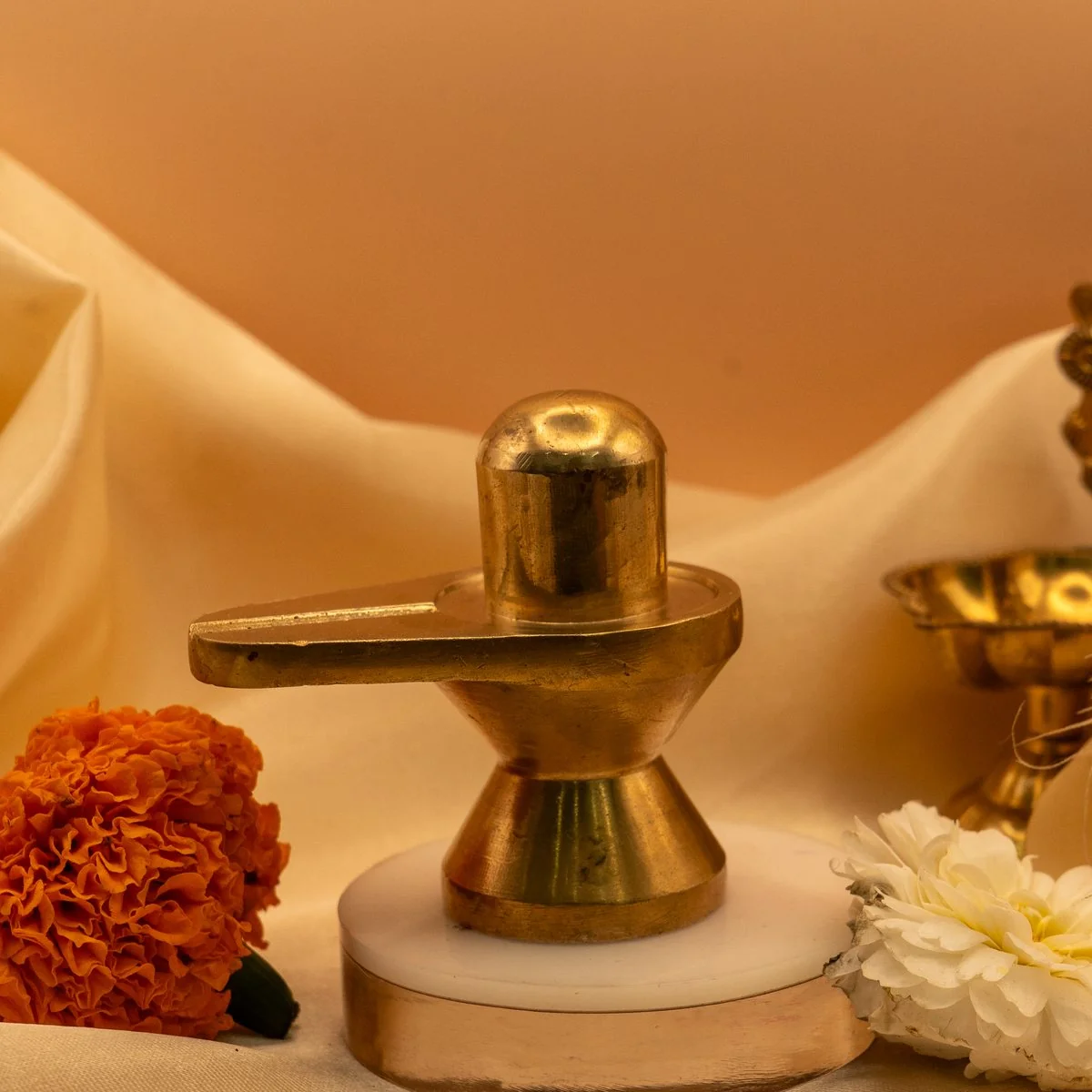
When choosing a metal idol for home puja or temple installation, two names come up most often in conversations — panchaloha and brass (pittala). Both are considered auspicious in Hindu tradition, but they differ significantly in composition, religious context, cost, and appropriate use.
This guide explains the key differences between panchaloha and brass, helping you make an informed decision for your spiritual needs.
What Is Panchaloha?
Panchaloha literally means "five metals" in Sanskrit. It is a sacred alloy traditionally composed of five metals:
- Gold (Swarna) — representing purity and divinity
- Silver (Rajata) — symbolizing clarity and coolness
- Copper (Tamra) — the primary base metal
- Iron (Loha/Kanta) — representing strength
- Tin (Naga) — for stability and binding
Different regional traditions may use alternative compositions. For example, some South Indian traditions substitute lead (Seesam) or zinc for tin, depending on the Agama Shastra lineage being followed.
Panchaloha is explicitly mentioned in Agama Shastra as the prescribed alloy for temple idols. The combination of these five metals is believed to create a powerful energy field conducive to divine presence during Prana Pratishtha (consecration rituals).
What Is Brass (Pittala)?
Brass is an alloy primarily composed of copper and zinc. The typical composition is approximately 70% copper and 30% zinc, though this can vary.
Brass has been considered auspicious in Hindu tradition for centuries. References to pittala appear in the Vishnu Purana and various Dharmashastras as a suitable and acceptable metal for home worship.
The golden-yellow luster of brass resembles gold, making it visually appealing and symbolically appropriate for representing divine forms.
Key Differences: Panchaloha vs Brass
Here are the primary distinctions between these two sacred metals:
- Composition: Panchaloha contains five metals including precious gold and silver; brass is copper and zinc only
- Religious Status: Panchaloha is mandated for temple consecration ceremonies; brass is traditionally used for home worship
- Cost: Panchaloha idols are 10 to 50 times more expensive than brass due to gold and silver content
- Availability: Brass idols are widely available; authentic panchaloha requires specialized craftsmen and certification
- Appearance: Panchaloha has a darker, reddish-golden patina; brass has a bright yellow-golden shine
- Maintenance: Both require periodic polishing, but panchaloha develops a sacred patina that devotees often prefer not to disturb
When Is Panchaloha Required?
Temple Consecration (Prana Pratishtha)
For traditional temple installations where Prana Pratishtha will be performed by priests following Agamic procedures, panchaloha is often required. The five-metal composition is considered essential for the deity to properly inhabit the murti.
Many temple authorities and lineage heads insist on authenticated panchaloha idols for this reason.
Large Institutional Orders
Trusts, large temples, and major religious institutions commissioning significant idols often opt for panchaloha as a mark of prestige and adherence to scriptural injunctions.
Why Brass Is Perfect for Home Puja
For the vast majority of devotees, brass is the ideal choice for home worship. Here's why:
Affordability Without Compromising Sanctity: Brass idols allow every household to establish beautiful, sacred worship spaces without the prohibitive cost of panchaloha. The scriptures explicitly permit brass for home use.
Traditional Acceptance: Most Indian homes have worshipped using brass idols for generations. The metal is considered pure (pavitra) and suitable for daily rituals.
Practical Durability: Brass is robust, doesn't corrode easily, and maintains its appearance with simple care. It's ideal for daily handling during abhishekam and arati.
Authentic Craftsmanship: Quality brass allows artisans to achieve intricate detailing in expressions, ornaments, and iconographic elements that bring the deity's form to life.
Deshna Wholesale's Position — Quality Brass for Every Home
At Deshna Wholesale Enterprise, we are committed to providing pure, high-quality brass idols that honor both tradition and affordability. We ensure our brass contains no lead-heavy alloys or adulterants that compromise the metal's purity.
Every idol undergoes quality checks, and we can provide composition certification upon request for institutional buyers.
We believe that divine worship should be accessible to all. A beautifully crafted brass idol, consecrated with devotion, carries the same spiritual potency as any expensive metal when worshipped with shraddha (faith).
Whether you're looking for a classic brass Ganesha, an intricate Nataraja, or a serene Lakshmi murti, our catalog offers handcrafted pieces that bring sanctity and beauty to your home.
For those interested in understanding more about metal choices, explore our related articles on brass vs bronze for ritual idols, the science behind brass alloy composition, and why brass is the best metal for divine idols.
Need something specific? Place a custom idol order with exact dimensions and iconographic details.
Brass or panchaloha — choose according to your context, but never compromise on quality and craftsmanship. That's the Deshna Wholesale promise.