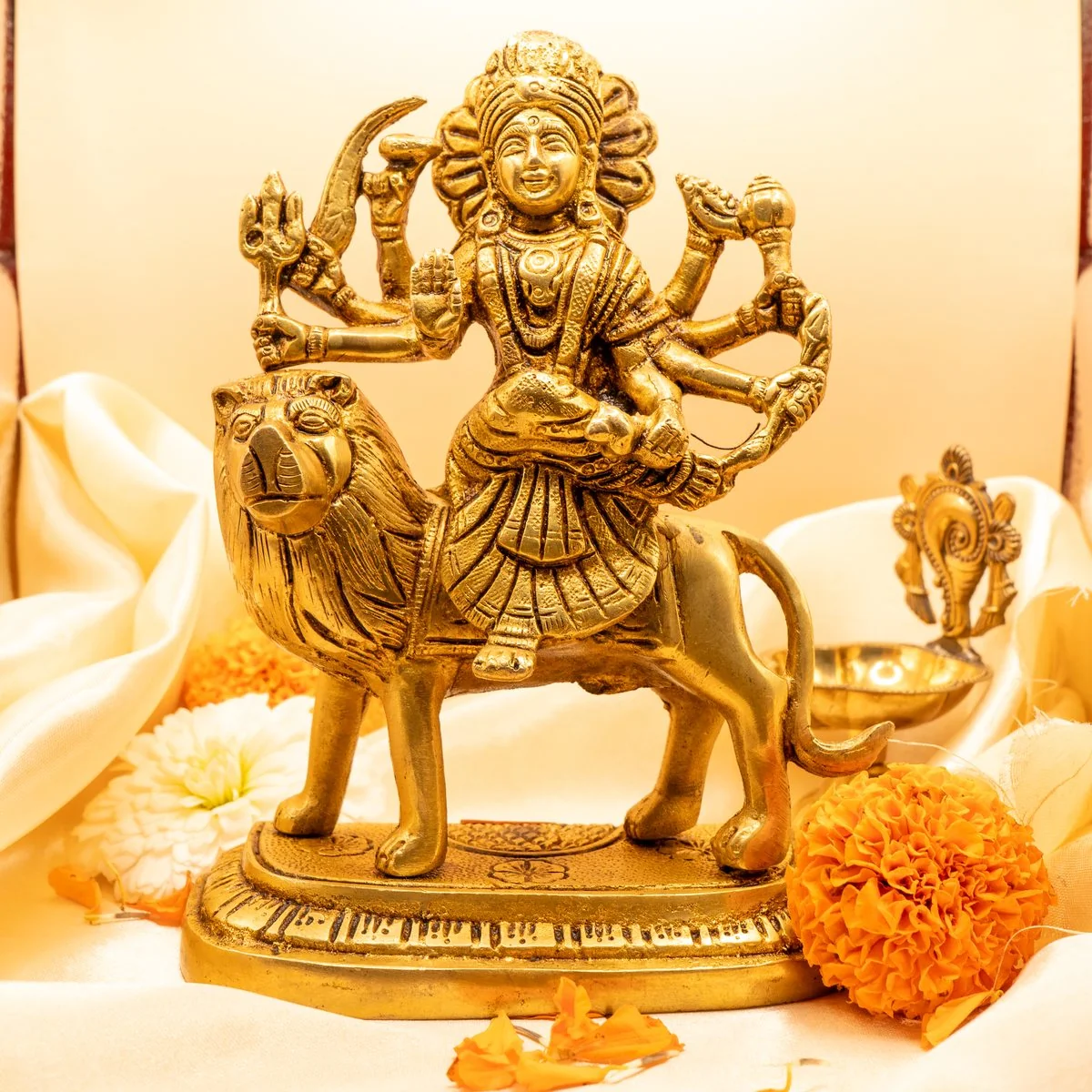
In Indian temple tradition, the idol is not a representation of the divine — it is the divine made manifest. For centuries, brass has served this sacred purpose, from towering temple sanctums to intimate home mandirs. The metal's unique properties — its durability, its ability to hold intricate detail, and its resonance with sacred energy — have made it the material of choice for craftsmen and priests alike.
The Concept of Murti — Why Physical Form Matters in Hindu Worship
In Hindu philosophy, a murti is far more than a decorative symbol or artistic representation. It is a sacred vessel, carefully crafted according to ancient specifications laid out in the agama shastras, scriptural texts that govern temple construction and worship. The transformation of metal into deity occurs through prana pratishtha, a consecration ritual in which priests invoke the divine presence to reside within the idol.
This ritual distinguishes a consecrated murti from a decorative piece. Every proportion, gesture (mudra), and attribute (ayudha) must conform to iconographic standards. The idol's measurements often follow the angula measurement system, an ancient proportional system based on the width of fingers. Only when these specifications are met can the idol be considered fit for worship and consecration.
Sthira Murti vs Utsava Murti — Fixed and Processional Idols
Indian temples traditionally house two types of murtis, each serving a distinct ritual function:
The sthira murti (fixed idol) is permanently installed in the temple's inner sanctum, the garbhagriha. Typically carved from stone or cast in heavy metal, this idol never leaves its position. It is the spiritual anchor of the temple, the immovable presence around which all worship revolves.
The utsava murti (festival idol), by contrast, is crafted for movement. Made from lighter brass or the sacred five-metal alloy panchaloha, this processional idol is carried through temple streets during festivals, allowing devotees who cannot enter the inner sanctum to receive darshan (sacred viewing). The utsava murti is often more ornately decorated than the sthira murti, adorned with elaborate jewelry, silk garments, and seasonal flowers.
This is where brass truly dominates. Its combination of workability, durability, and sacred acceptability makes it ideal for idols that must be handled, bathed, dressed, and carried in procession multiple times throughout the year.
Famous Utsava Murtis in South Indian Temples
Some of India's most revered temples showcase magnificent brass and bronze utsava murtis. At Tirupati's Sri Venkateswara Temple, the processional idol of Lord Venkateswara is carried during the annual Brahmotsavam festival, drawing millions of devotees. The Madurai Meenakshi Temple's utsava murtis of Goddess Meenakshi and Lord Sundareswarar are paraded through the streets during Chithirai Thiruvizha. Perhaps most famous is the Nataraja utsava murti at Chidambaram, depicting Shiva's cosmic dance in exquisite bronze, which has been carried in procession for over a thousand years.
Daily Rituals That Involve Brass Idols in Temples
Temple worship follows a prescribed sequence called shodasopachara, the sixteen steps of worship. The brass idol is central to each stage:
Abhisheka (ritual bathing) begins the day, with the idol bathed in water, milk, yogurt, honey, and panchamrita. Brass's non-corrosive nature allows it to withstand repeated exposure to these liquids without deterioration.
Alankara (decoration) follows, with the idol dressed in silk garments, adorned with flowers, and decorated with sandalwood paste and vermillion. The smooth brass surface holds these applications beautifully.
Naivedya (food offering) involves presenting prepared dishes to the deity, which are then distributed as prasadam. The idol receives the essence of the offering.
Arati (flame waving) culminates each worship session, with camphor flames circled before the idol. According to traditional belief, brass conducts and radiates ritual energy, amplifying the sacred vibrations of mantras and bells. Practically speaking, brass holds what practitioners call "sacred vibration" — the accumulated spiritual charge of repeated worship.
Brass Idols in Home Mandirs — Bringing Temple Tradition Home
Home worship mirrors temple ritual at a smaller, more intimate scale. The brass idol serves as the anchor of the home mandir, the focal point for daily prayers and family worship. While temple worship follows strict schedules and protocols, home puja allows for personal devotion while maintaining traditional forms.
Families traditionally choose deities based on lineage, regional custom, and personal devotion. Common choices include:
- Ganesha — Always worshipped first as the remover of obstacles
- Lakshmi — For household prosperity and abundance
- Saraswati — For education and learning, especially in homes with students
- Shiva — For protection and spiritual growth
- Kul Devata — The ancestral deity specific to the family lineage
Proper placement follows Vastu shastra principles, with the mandir ideally positioned in the northeast corner and idols facing east or west. The ritual use of brass idols in home settings maintains continuity with temple tradition, making every home a microcosm of the temple.
Choosing a Brass Idol for Ritual Use vs Decorative Display
The distinction between ritual and decorative idols is crucial. For ritual use, iconographic accuracy matters deeply. Every detail must conform to scriptural specifications: the correct mudras (hand gestures), the proper attributes held in each hand, the accurate proportions prescribed by tradition. The finish should be appropriate for consecration — typically smooth, uncoated brass that can receive ritual bathing and anointing.
Decorative idols enjoy more aesthetic freedom. Antique finishes, oxidized patinas, mixed materials, and artistic interpretations are all acceptable. These pieces serve to beautify space and inspire devotion without the strict requirements of consecrated worship.
When selecting an idol for your home mandir, consider whether you intend to perform prana pratishtha or formal consecration. If so, consult with a priest about iconographic requirements before purchase. At Deshna Wholesale, we craft both ritual-accurate murtis and artistic interpretations, clearly distinguishing between them to help you make the right choice.
Whether you seek a traditionally crafted brass murti for your home altar or wish to explore the artistry of Indian temple architecture through decorative pieces, browse Deshna Wholesale's ritual brass idols or commission a custom ritual brass idol crafted to your family's traditional specifications. Each piece carries forward a living tradition that has animated Indian spiritual life for millennia.